Before you start
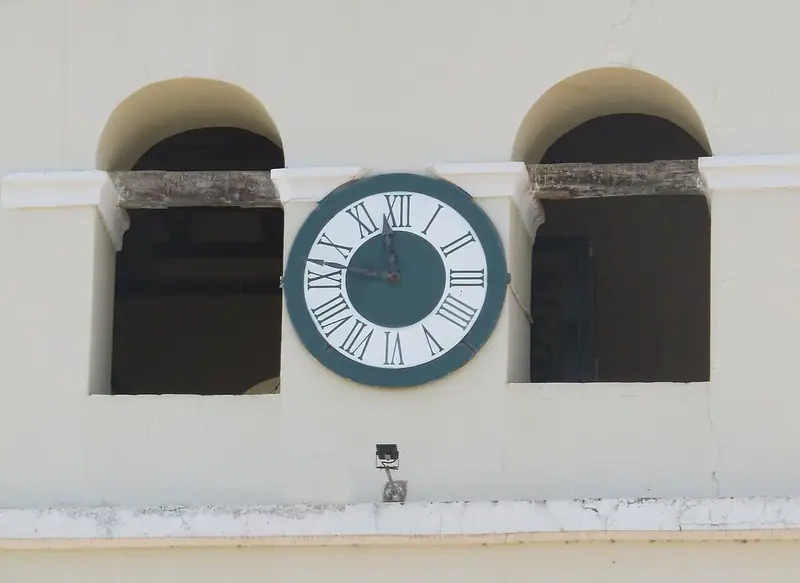
Comayagua lies in a broad valley in the highlands of central Honduras, about eighty kilometres north-west of Tegucigalpa, on the road to San Pedro Sula. For more than three centuries it was the capital of Honduras, and its old centre of colonial churches, plazas and colonial houses is one of the best preserved in the country. The route begins in the central square, visits the cathedral and its famous clock, two museums and the church of La Merced, and ends at the Caxa Real, the old royal treasury. The route is short and flat. Allow around two hours, or longer if you visit the museums.
Use it as a self-guided tour of Colonial Comayagua: 7 stops in visit order, each played when you’re ready, at your own pace.
 Free preview · Stop 1
Parque Central
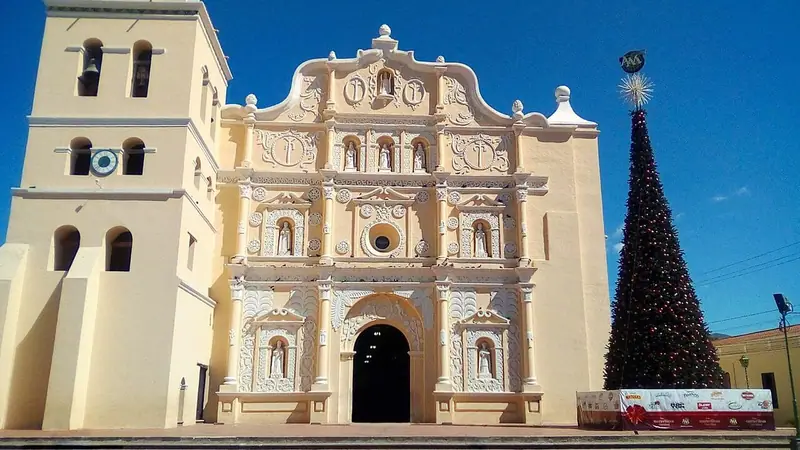
Begin in the central square, the Parque Central, shaded by trees and surrounded by some of the most important buildings of the old capital. Stand in the middle and turn slowly. On one side rises the cathedral. Facing the square is the City Hall, a neoclassical building of the nineteenth century, which has been rebuilt more than once. When Comayagua was the capital of Honduras, this was the centre of government, where bishops, governors and, later, presidents and congressmen came and went. Comayagua was also the first city in Honduras to have a system of water channels, cisterns and fountains, dating from colonial times. Look around for any old fountains in the squares of the town. Notice the life of the plaza today, with shoeshine stands, vendors and families resting on the benches in the cool of the evening.
Photo: Luis Alfredo Romero · CC BY-SA 4.0 · Wikimedia Commons
What to see at Colonial Comayagua: 7 stops, in visit order
- 01
 Parque CentralThe heart of the old capitalFree preview
- 02
 Archaeology MuseumThe Lenca and beforeIn the guide
- 03
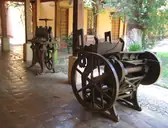 Religious Art MuseumTreasures of the dioceseIn the guide
- 04
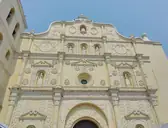 The CathedralThe Immaculate ConceptionIn the guide
- 05
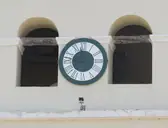 The ClockA legendary timepieceIn the guide
- 06
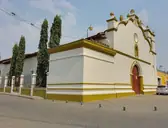 La MercedThe first churchIn the guide
- 07
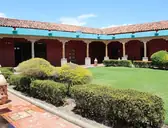 The Caxa RealThe royal treasuryIn the guide
Site map of Colonial Comayagua
History of Colonial Comayagua
The valley was home to the Lenca people long before the Spanish arrived. In 1537 the Spanish captain Alonso de Cáceres founded a town here, on the orders of Francisco de Montejo, the governor of the province, and it was given the title of city in 1557. In 1561 the seat of the bishop moved here, and Comayagua remained the capital of the province throughout the colonial period, and of independent Honduras after 1821. Its rival Tegucigalpa grew rich from silver mining, and in 1880 President Marco Aurelio Soto moved the capital there. Comayagua became a quiet provincial town, which helped to preserve its old buildings.
Colonial Comayagua guide: questions
How many stops does the Colonial Comayagua guide have?
7 stops, in visit order: 1. Parque Central; 2. Archaeology Museum; 3. Religious Art Museum; 4. The Cathedral; 5. The Clock; 6. La Merced; 7. The Caxa Real.
Can I do a self-guided tour of Colonial Comayagua with this guide?
Yes. The guide is made for a self-guided tour: 7 stops in visit order, each with a photo, a story and a voice, so you can explore Colonial Comayagua at your own pace, without joining a group. Download it before you go and it works offline.
How long is each guide?
The 7 stops add up to about 5 minutes of listening in total. You play each stop when you’re ready, so you can go at your own pace.
Does the guide work offline?
Yes, once it’s downloaded. The guide is a single self-contained web page (about 6.2 MB) with the photos, text and audio built in. Download it to your phone before you go (Wi-Fi is best); after that it opens in any modern browser on iPhone or Android, with no app, account or mobile signal needed.
Does it use GPS or need my location?
No. The guide doesn’t use GPS and doesn’t know where you are: you play each stop when you reach it. It works on iPhone and Android in any modern browser, and it’s in English.
What’s included?
One self-contained HTML guide: 7 stops in visit order, each with a photo, text and a voice, plus the story of who built the site.
Who built Colonial Comayagua?
The valley was home to the Lenca people long before the Spanish arrived. In 1537 the Spanish captain Alonso de Cáceres founded a town here, on the orders of Francisco de Montejo, the governor of the province, and it was given the title of city in 1557.
Where is Colonial Comayagua?
Comayagua lies in a broad valley in the highlands of central Honduras, about eighty kilometres north-west of Tegucigalpa, on the road to San Pedro Sula.
Is there a free audio guide to Colonial Comayagua?
The first stop, Parque Central, is free to read and hear on this page, so you can try the Colonial Comayagua audio tour before you buy. The full guide, with all 7 stops, is a one-off purchase: download it once and it’s yours to keep, working offline.
Is the Colonial Comayagua guide worth it?
If you’d like to know what you’re looking at, yes. For $10 you get 7 stops in visit order, each with a photo, a short history and a voice you play when you’re ready, plus a site map of the stops, and about 5 minutes of listening in all. It’s short on purpose, so you spend your time looking, not listening. It’s yours to keep, works offline and needs no app. The first stop is free on this page, so you can try it before you buy. If you’d like hours of detail, a guided tour will go deeper.
Audio guide or guided tour?
It depends how you like to visit. This guide lets you explore Colonial Comayagua at your own pace, at any time, for a one-off price. A guided tour gives you a live expert you can ask questions, but at fixed times and usually for a higher price. Many people use both: a tour for the big picture, and the guide to read beforehand or to revisit the stops in their own time.
Is this the official Colonial Comayagua guide?
No. It’s an independent guide by The Historian Guide, not affiliated with or endorsed by the operator of Colonial Comayagua. For tickets and opening hours, check the official site operator before you go.
Does the guide include entry tickets or opening hours?
No. The guide is a digital companion only. Admission to Colonial Comayagua is separate, so check the official site operator for current tickets and opening hours before you go.
- Stop 1 · Parque Central: Luis Alfredo Romero · CC BY-SA 4.0 · Wikimedia Commons · resized
- Stop 2 · Archaeology Museum: Luis Alfredo Romero · CC BY-SA 4.0 · Wikimedia Commons · resized
- Stop 3 · Religious Art Museum: j2003af · CC BY-SA 3.0 · Wikimedia Commons · resized
- Stop 4 · The Cathedral: Luis Alfredo Romero · CC BY 4.0 · Wikimedia Commons · resized
- Stop 5 · The Clock (also the cover): Luis Alfredo Romero · CC BY-SA 4.0 · Wikimedia Commons · resized
- Stop 6 · La Merced: Luis Alfredo Romero · CC BY-SA 4.0 · Wikimedia Commons · resized
- Stop 7 · The Caxa Real: Luis Alfredo Romero · CC BY-SA 4.0 · Wikimedia Commons · resized


All photographs from Wikimedia Commons under the licences shown.
More guides in Honduras
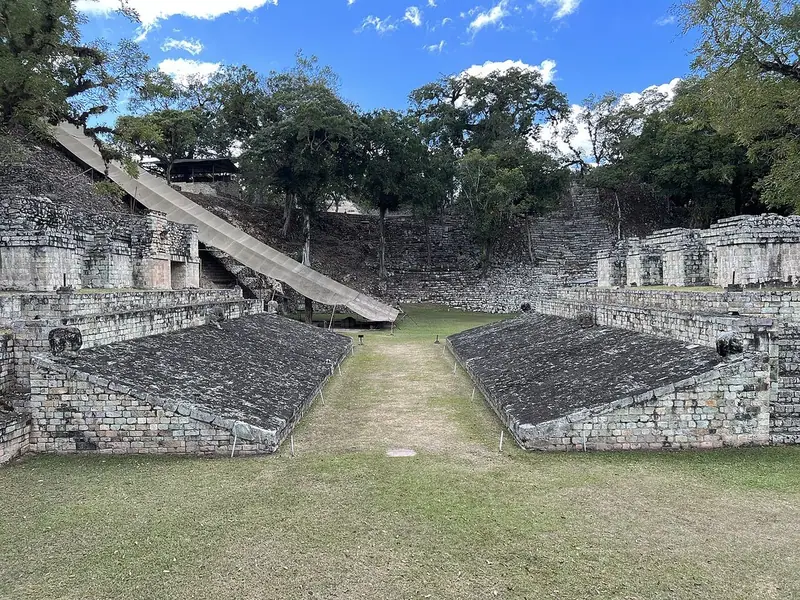 Maya8 stops · 426–c. 822 CE (royal dynasty)
Copán audio guide
Follow the main paths of a great Classic Maya city to its carved stelae, its ball court and the Hieroglyphic Stairway.
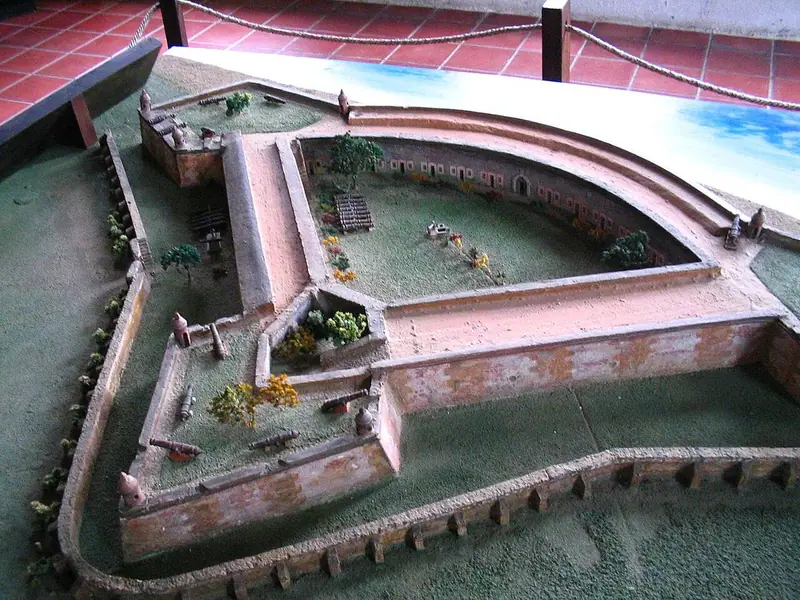 Spanish Colonial7 stops · 1752–1821
San Fernando de Omoa audio guide
Explore the walls, vaults and prison cells of the Spanish fortress built on the Caribbean coast of Honduras to guard the silver of Central America.
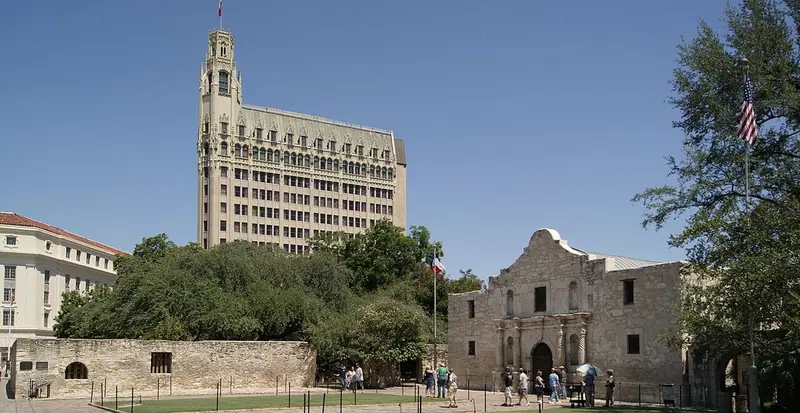 Spanish Colonial7 stops · 1718–1782
Alamo and San Antonio Missions audio guide
From the battle-scarred Alamo to Mission San José and the Espada Aqueduct, the five missions that made San Antonio.
Every guide, in every country
Colonial Comayagua and every other guide we publish, including future ones. One payment, no subscription.