Guides
LebanonGuides to 8 historic sites
Phoenician roots, Roman giants
8 guides availableCrusaderMaroniteOttomanPhoenicianRomanUmayyad
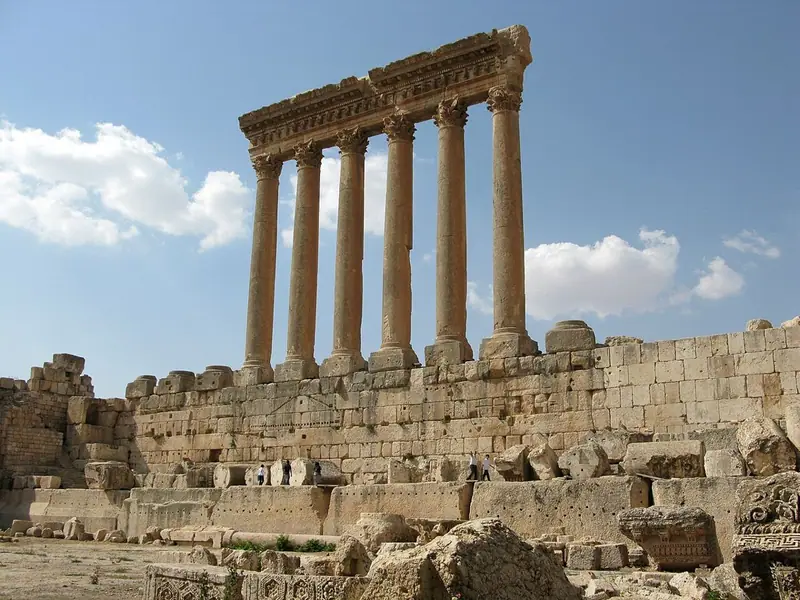
Baalbek. Photo: Vyacheslav Argenberg · CC BY 4.0 · Wikimedia Commons
Phoenician roots, Roman giants
Between the snow-capped Lebanon range and the Mediterranean, Lebanon stacks Canaanite, Roman, Byzantine and Arab history one layer on another. We begin in the Beqaa Valley at Baalbek, where Rome built the largest temples of its empire.
The Latin states founded in the Levant after the First Crusade, defended by great castles.
A Christian community of the Syriac tradition, whose hermits and monks settled Lebanon’s Holy Valley.
The Turkish dynasty whose empire ran from about 1299 to 1922, ruled from Istanbul after 1453.
The Canaanite seafarers of the Levant coast, traders in cedar and purple dye, who spread the alphabet.
From a city on the Tiber to an empire around the Mediterranean, Rome left temples, roads and theatres from Britain to the Beqaa Valley.
The first great dynasty of the Islamic caliphate, ruling from Damascus between 661 and 750.
The 8 Lebanon guides, plus every guide in our other countries and every one we add later. One payment, no subscription.
World Pass holders may also request a site they’d love to see covered: simply write to [email protected].
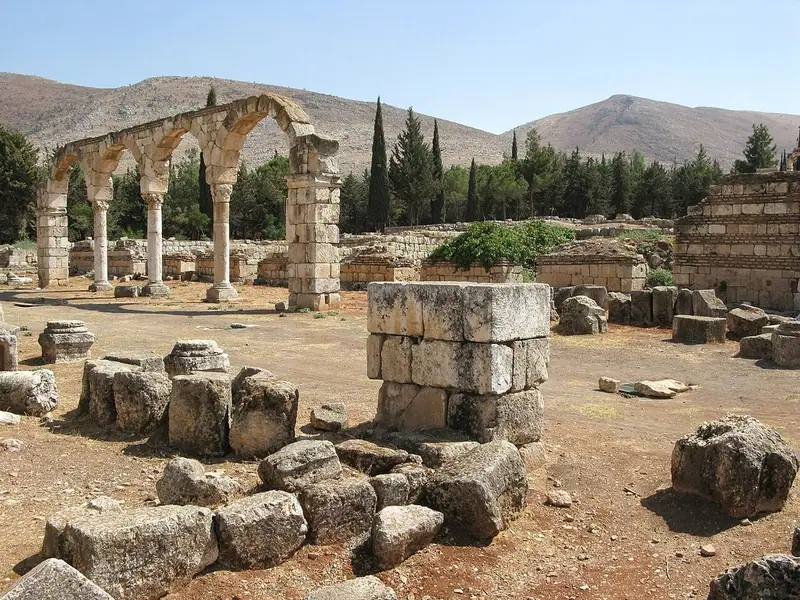 Umayyad8 stops · early 8th century
A planned Umayyad town of colonnaded streets, a four-way tetrapylon and palace walls laced with stone and brick.
Roman9 stops · 1st c. BCE – 3rd c. CEHeliopolis, City of the Sun: the largest temples Rome ever raised, and the thousand-tonne stones that went into them.
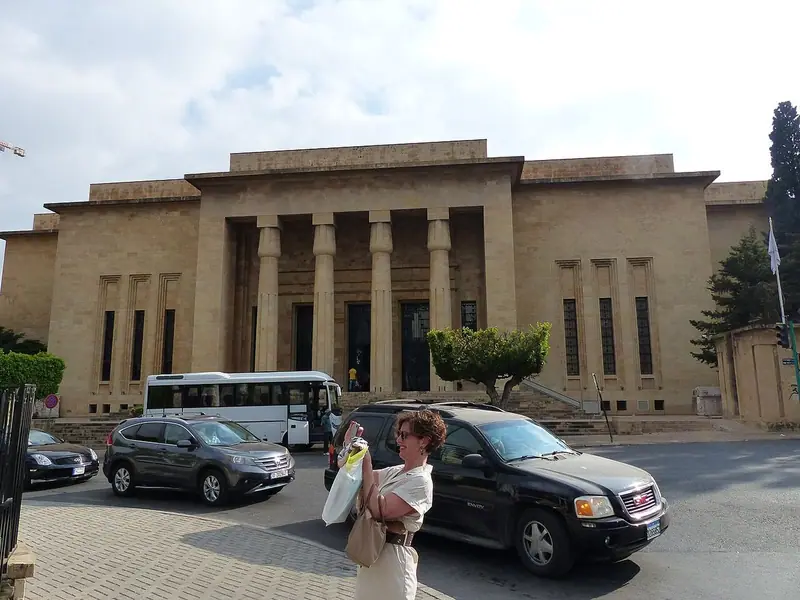 Phoenician8 stops · collection c. 3200 BCE – 19th century CE
The Sarcophagus of Ahiram, Phoenician sarcophagi and Roman mosaics: Lebanon’s long story in one building.
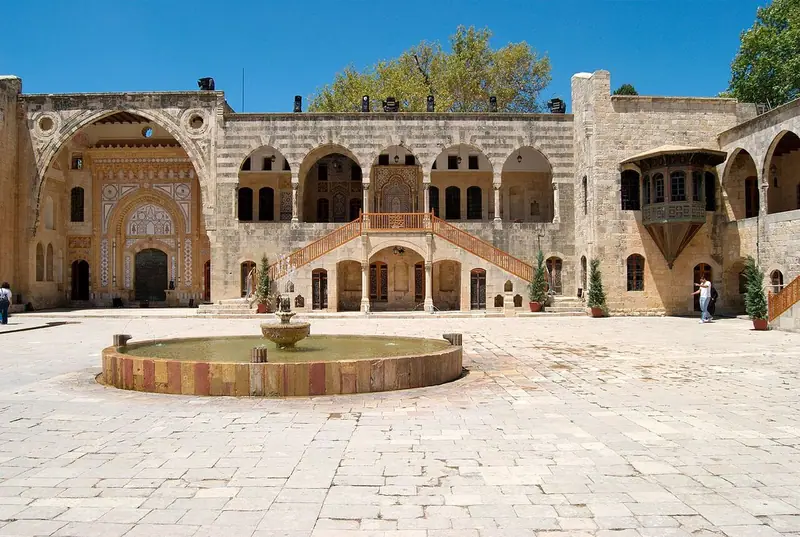 Ottoman8 stops · 1788–1818
Emir Bashir’s palace of arcaded courtyards, painted reception rooms and a marble hammam, high in the Chouf.
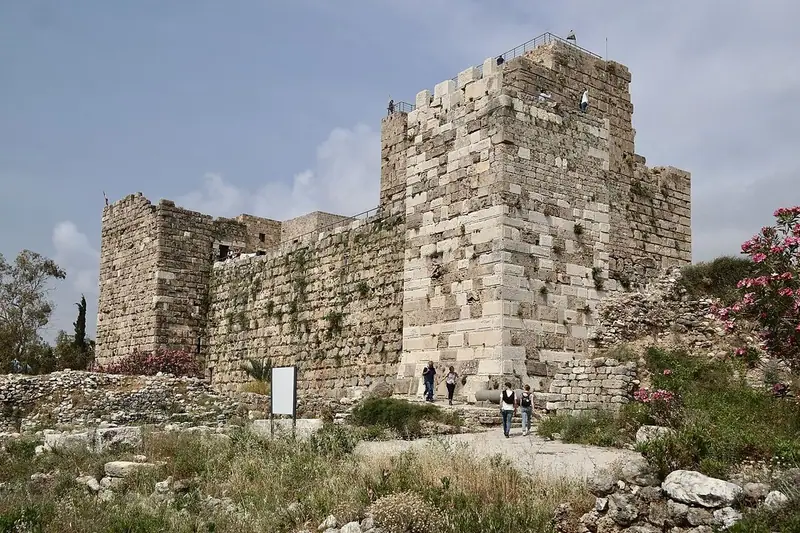 Phoenician8 stops · c. 3000 BCE onwards
Bronze Age ramparts, the Temple of the Obelisks and a Crusader castle on one of the oldest inhabited headlands in the world.
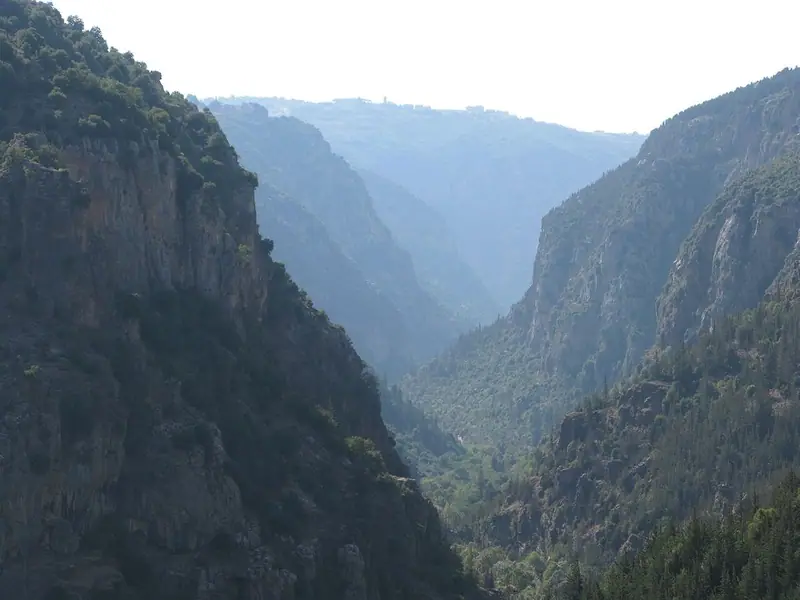 Maronite6 stops · c. 6th–19th century
Down from the Cedars of God into the Holy Valley, where hermitages and monasteries cling to the cliffs.
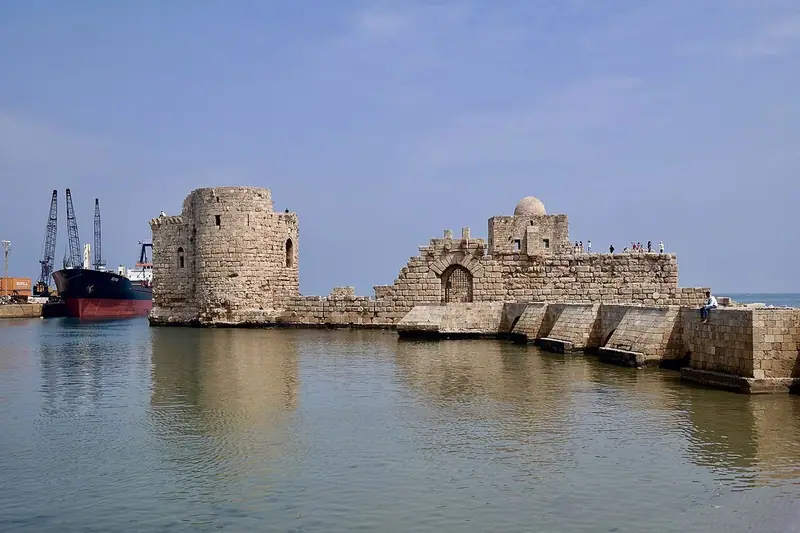 Crusader7 stops · from 1228 CE
A Crusader castle on an island joined to the shore, then the old souks, the Khan al-Franj and a soap museum.
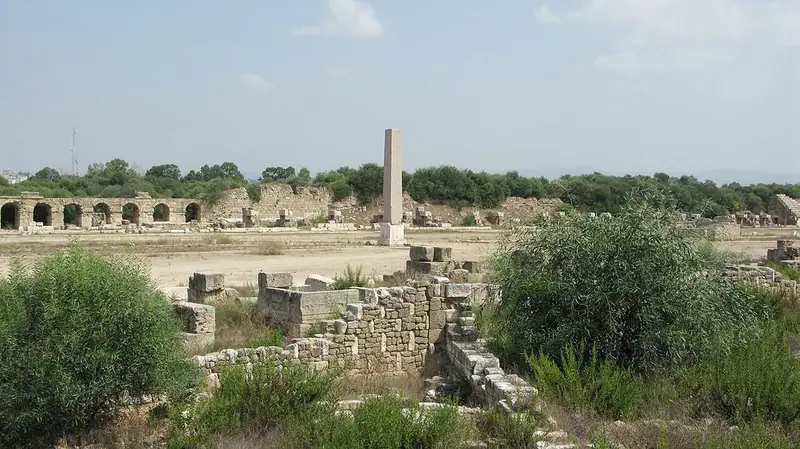 Phoenician8 stops · founded c. 2750 BCE; ruins 1st–6th century CE
A colonnaded street, a monumental arch, Roman baths and a hippodrome, in the great Phoenician port.
The Historian Guide
We’re putting the finishing touches to secure checkout. If you’d like to hear the moment it opens, email [email protected] and we’ll let you know at launch.
In the meantime, every guide page has a free preview: the first stop, with its audio.
When you buy, you agree to our Terms of Sale and Refund Policy. Because guides are delivered instantly, change-of-mind refunds aren’t available once a guide has been downloaded or accessed.