Rome, Pompeii and the world they made
Italy is where the Roman story is told in its own stones: forums and amphitheatres, buried towns and the villas of emperors. Our Italy guides walk you through them in the order you’ll see them.
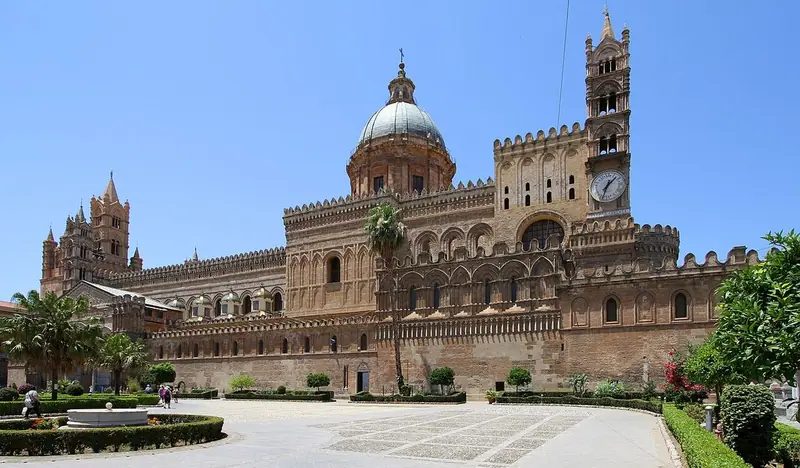
Norman Sicily, where Latin kings employed Arab, Byzantine and Western craftsmen to create a unique fusion of architecture and mosaic.
The Eastern Roman Empire, ruled from Constantinople for over a thousand years.
Central Italy’s great pre-Roman people: tomb-painters, metalworkers and teachers of early Rome.
The movement founded by Saint Francis of Assisi and Saint Clare, whose churches and frescoes transformed the art and faith of medieval Italy.
City-states of temples, theatres and oracles, from Homer’s age to the Roman conquest, whose ideas still shape the world.
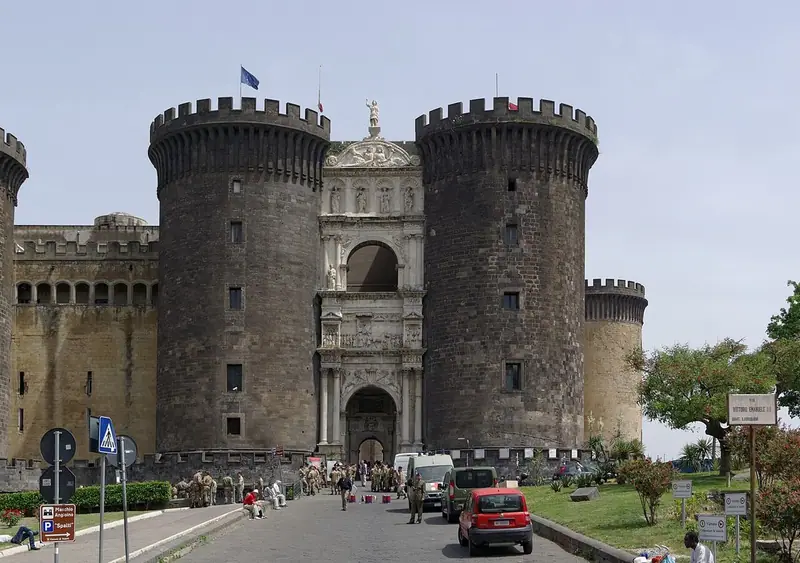
The southern Italian kingdom ruled from Naples by Angevin, Aragonese, Spanish and Bourbon kings, whose capital became one of Europe’s great Baroque cities.
The Medici family, rulers and patrons of Renaissance Florence.
The thousand years between the fall of Rome and the Renaissance.
The Bronze and Iron Age people of Sardinia, who built thousands of stone tower-fortresses, the nuraghi, before the Roman conquest.
Rome of the Renaissance and Baroque popes.
The rebirth of classical art and learning that began in Italian cities in the fifteenth century.
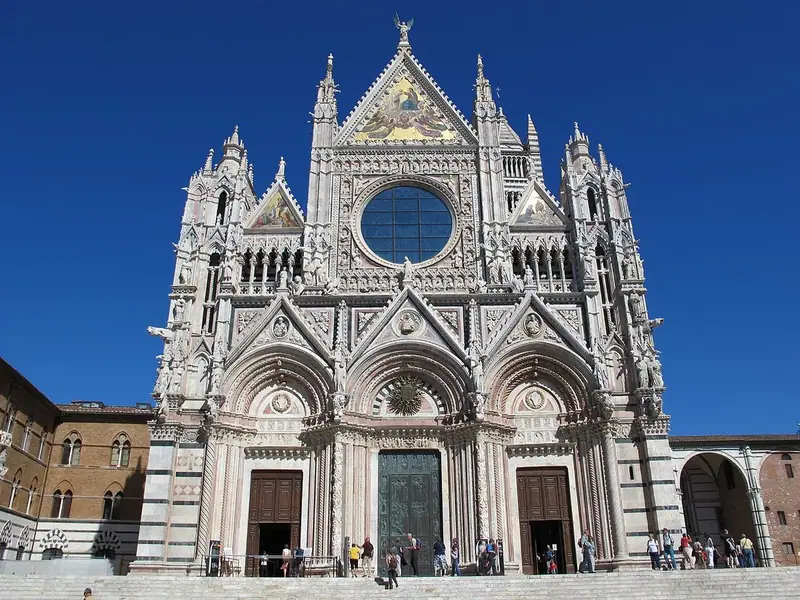
The Tuscan city-republic of bankers, wool merchants and painters, Florence’s great rival, whose Gothic centre survives almost intact.
From a city on the Tiber to an empire around the Mediterranean, Rome left temples, roads and theatres from Britain to the Beqaa Valley.
The round-arched style of eleventh- and twelfth-century Europe, given its finest marble dress in Pisa.
The Republic of Venice, a lagoon city that became a sea power and lasted for over a thousand years.
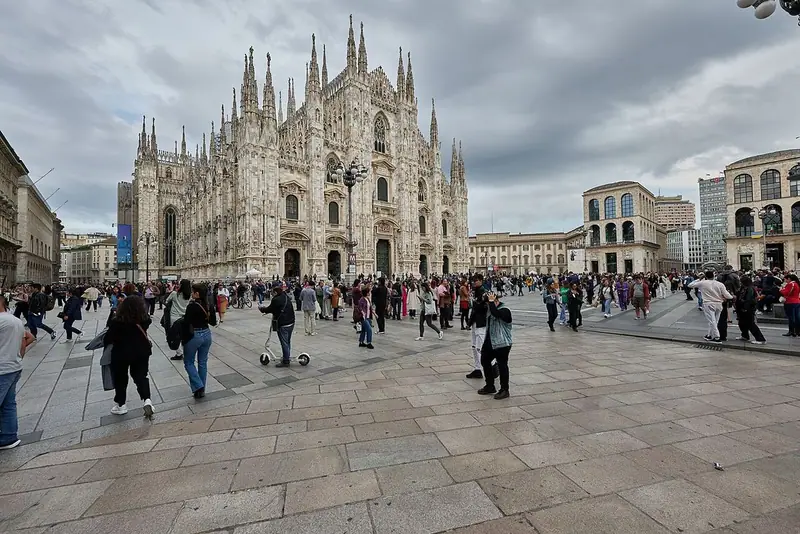
The Visconti and Sforza lords of Milan, patrons of its cathedral and of Leonardo.
The 29 Italy guides, plus every guide in our other countries and every one we add later. One payment, no subscription.
World Pass holders may also request a site they’d love to see covered: simply write to [email protected].
Arab-Norman11 stops · 1130 – 1194 (Norman kings of Sicily)Norman kings, Byzantine mosaicists and Arab craftsmen together: the Palatine Chapel, red-domed churches, the Zisa palace and the golden cathedrals of Monreale and Cefalù.
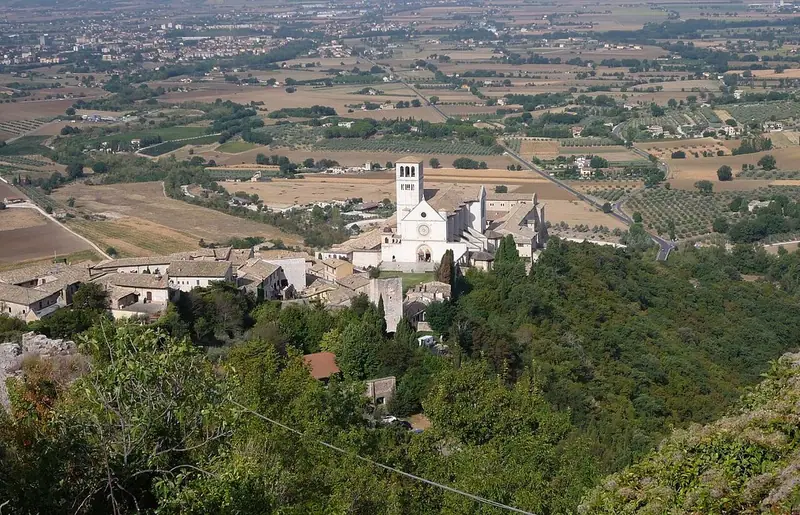
Franciscan10 stops · 1182 – 1253 (lives of Francis and Clare; basilica begun 1228)The hill town of Saint Francis: the double basilica with Giotto’s frescoes, his tomb, Santa Chiara, San Damiano and a Roman temple on the main square.
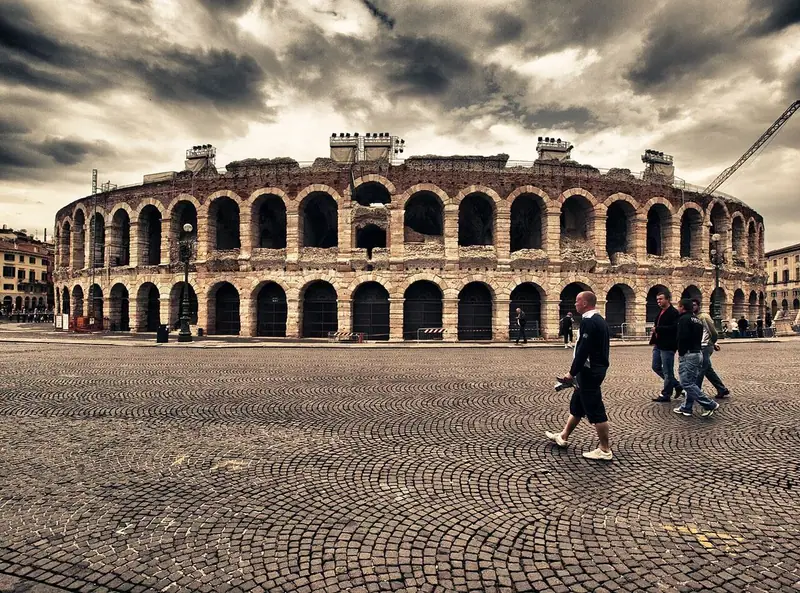
Roman11 stops · 1st c. BCE – 1797 (Roman colony to the end of Venetian rule)A Roman arena still used for opera, the towers and tombs of the della Scala lords, and the Romanesque splendour of San Zeno, in a bend of the Adige.
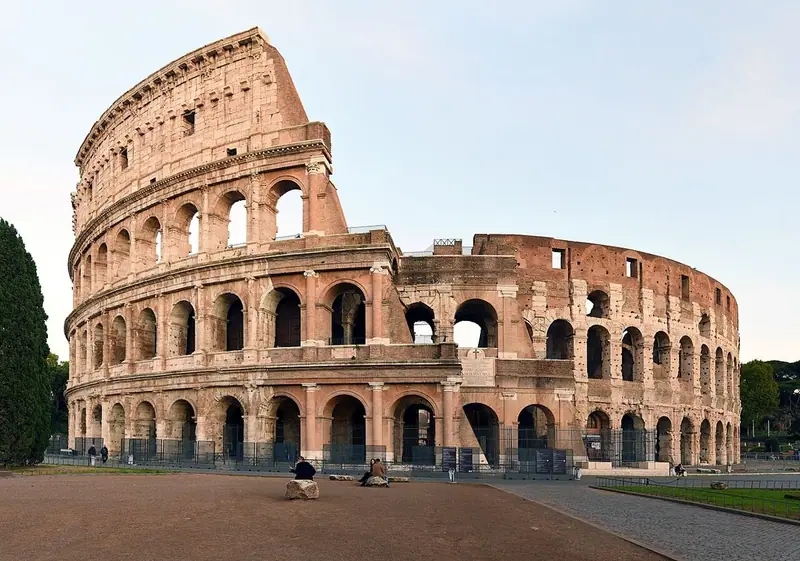
Roman7 stops · 70–80 CEFrom the outer façade into the corridors and seating, then down to the arena floor and the hypogeum beneath it.
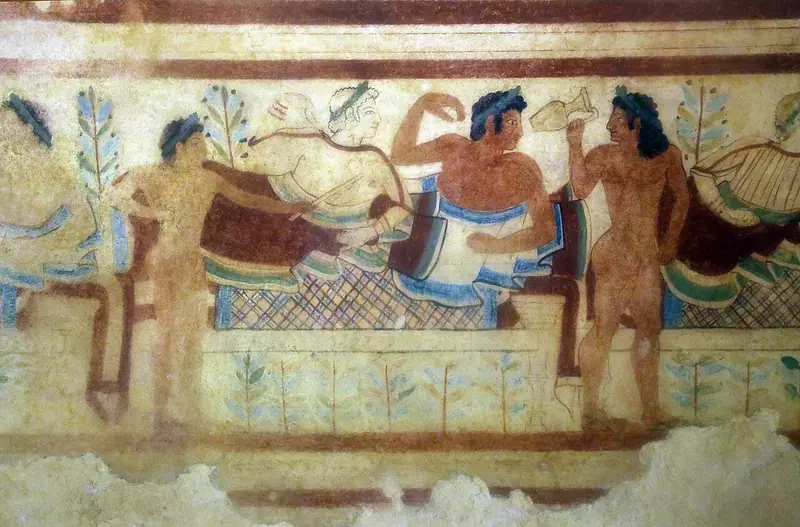
Etruscan9 stops · 9th – 3rd century BCEThe Etruscan cities of the dead: the tumuli and tomb streets of the Banditaccia at Cerveteri, the Tomb of the Reliefs, and the painted tombs of Tarquinia’s Monterozzi necropolis.
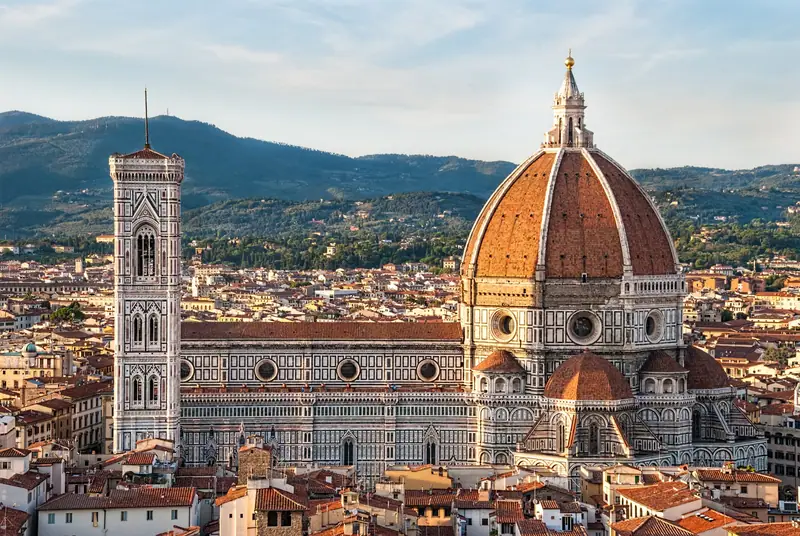
Renaissance7 stops · 1296–1436The Gates of Paradise, Giotto’s Campanile and Brunelleschi’s dome, the great monument of Renaissance Florence.
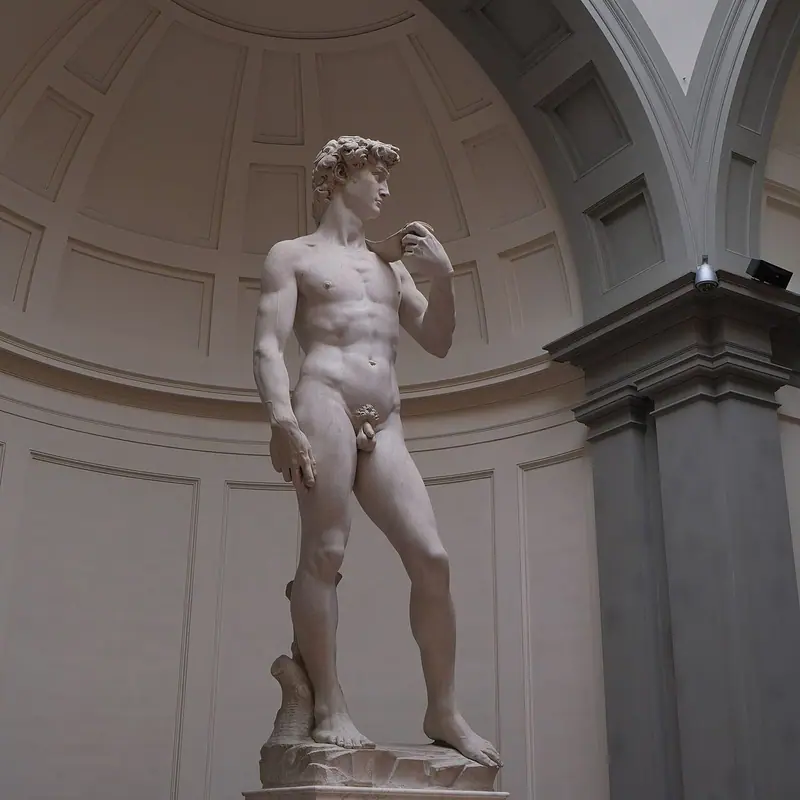
Renaissance8 stops · High RenaissanceMichelangelo’s unfinished Prisoners and the tribune of his David, then the plaster models and the Medici musical instruments.
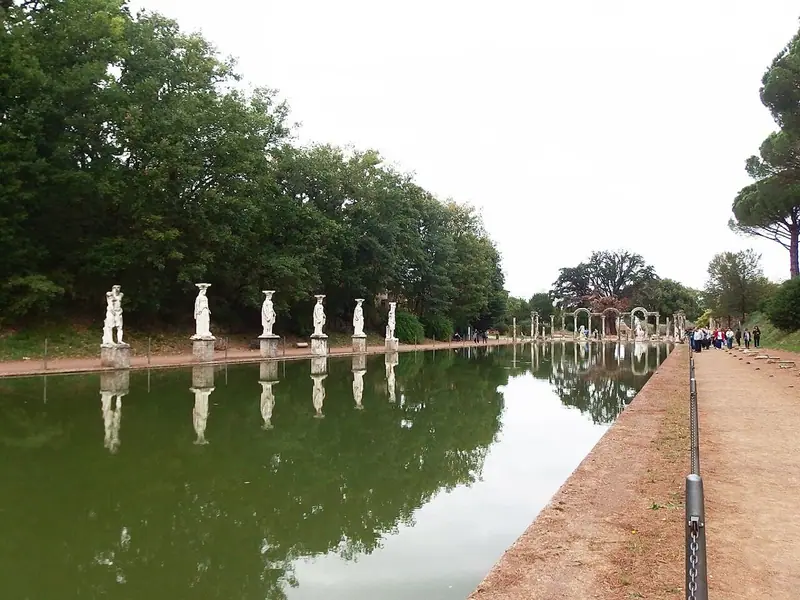
Roman7 stops · c. 118–138 CEAn emperor’s country retreat: the Maritime Theatre, great baths and the long pool of the Canopus.
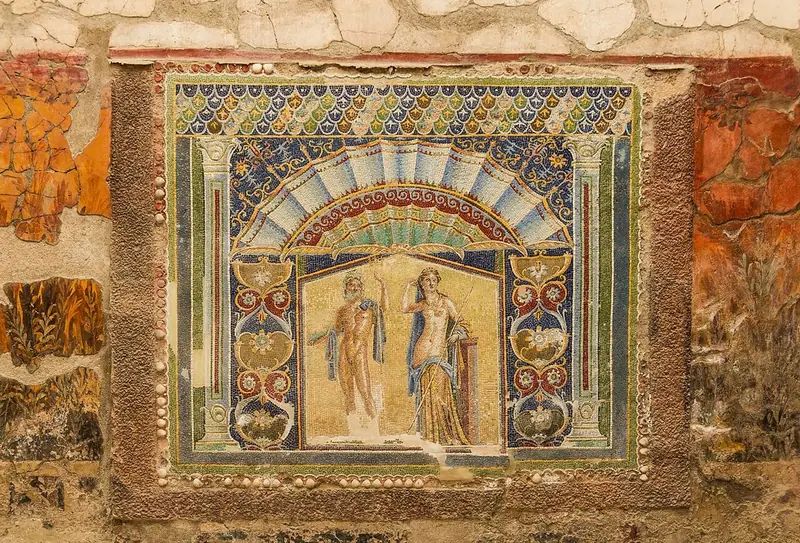
Roman8 stops · c. 4th century BCE – 79 CEA Roman town buried by Vesuvius, from the boat sheds on the old shore to the House of Neptune and Amphitrite.
Kingdom of Naples11 stops · c. 470 BCE – 1860 (Neapolis to the end of the Kingdom)The Greek grid of Neapolis beneath Gothic churches, Baroque spires and royal castles: Spaccanapoli, Santa Chiara, the Veiled Christ and Castel Nuovo.
Republic of Siena11 stops · 1125 – 1555 (the Sienese Republic)A Gothic city-republic preserved around its shell-shaped Campo: the Palazzo Pubblico, the Torre del Mangia, a striped marble cathedral and an unfinished giant beside it.
Visconti and Sforza Milan8 stops · Late Middle Ages to RenaissanceClimb onto the forest of spires on the roof of Milan’s marble Duomo, then pass through the Galleria to Leonardo’s Last Supper.
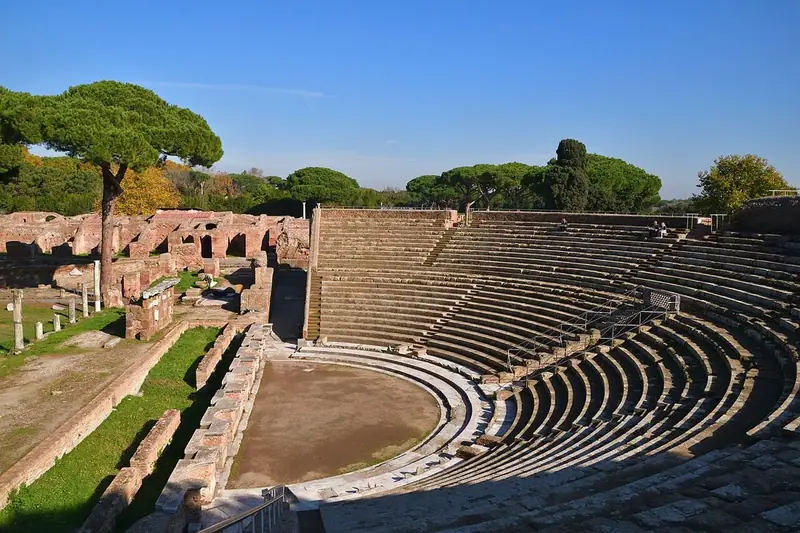
Roman7 stops · 4th century BCE – 5th century CERome’s port city: the theatre, the mosaics of the Square of the Guilds and a street-corner thermopolium.
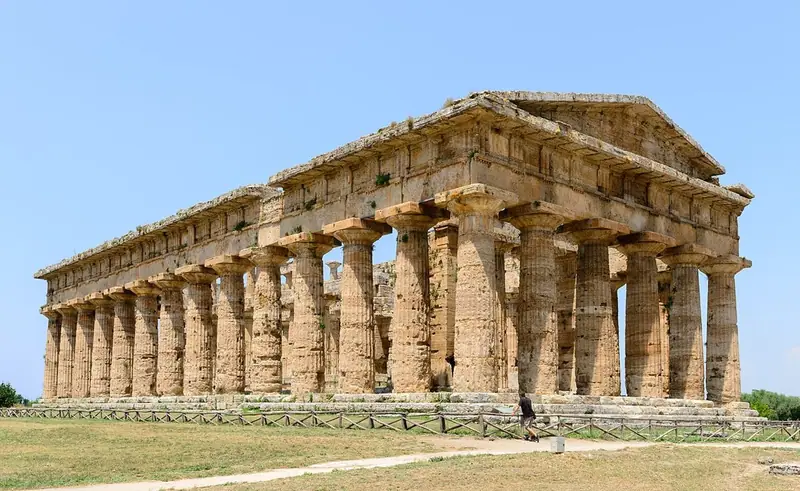
Greek6 stops · temples c. 550–450 BCEThree great Greek temples on the coastal plain, and the painted Tomb of the Diver in the museum.
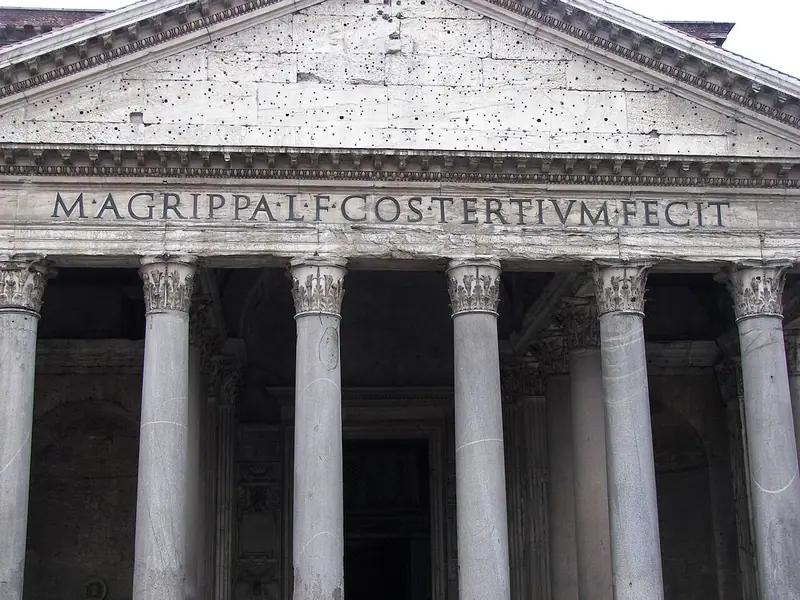
Roman7 stops · c. 113–125 CEThrough the bronze doors into the rotunda, beneath the great dome and its open oculus, to the tomb of Raphael.
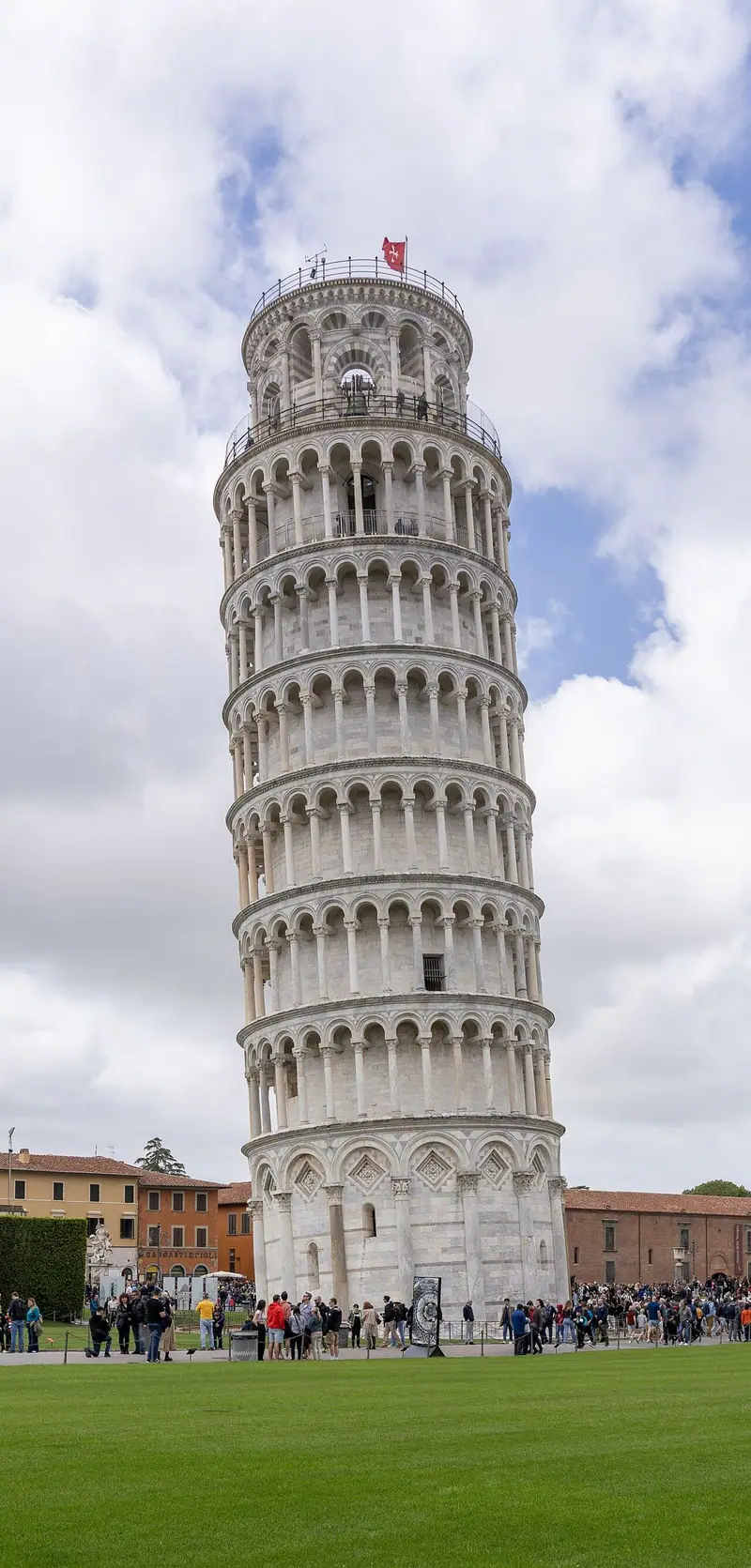
Romanesque7 stops · 1063–1372The cathedral, the baptistery, the Camposanto and the Leaning Tower on Pisa’s Field of Miracles.
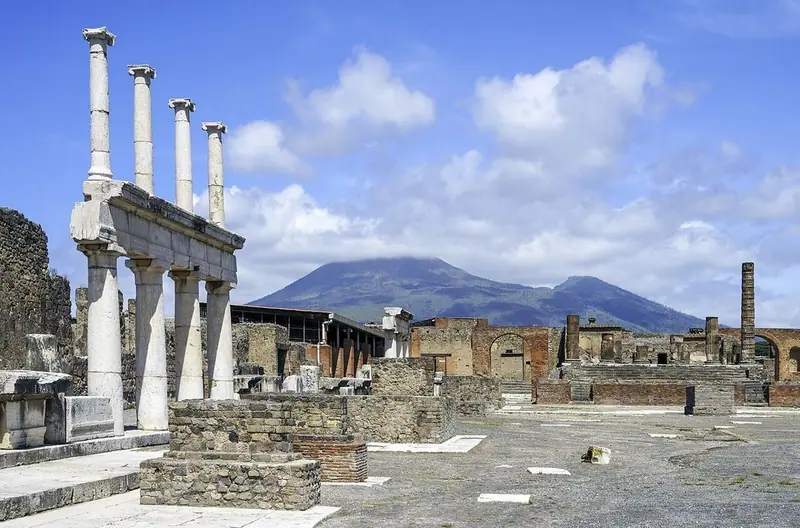
Roman8 stops · c. 6th century BCE – 79 CEThe streets of the city Vesuvius buried, from the Forum to the House of the Faun and the Garden of the Fugitives.
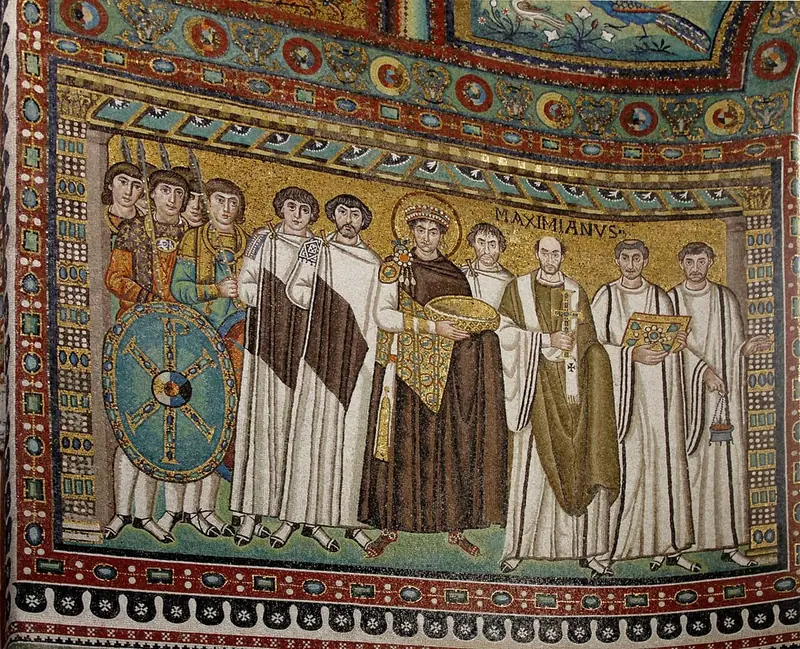
Byzantine8 stops · c. 425–549 CEShimmering mosaics of emperors and saints in San Vitale, the Mausoleum of Galla Placidia and Sant’Apollinare.
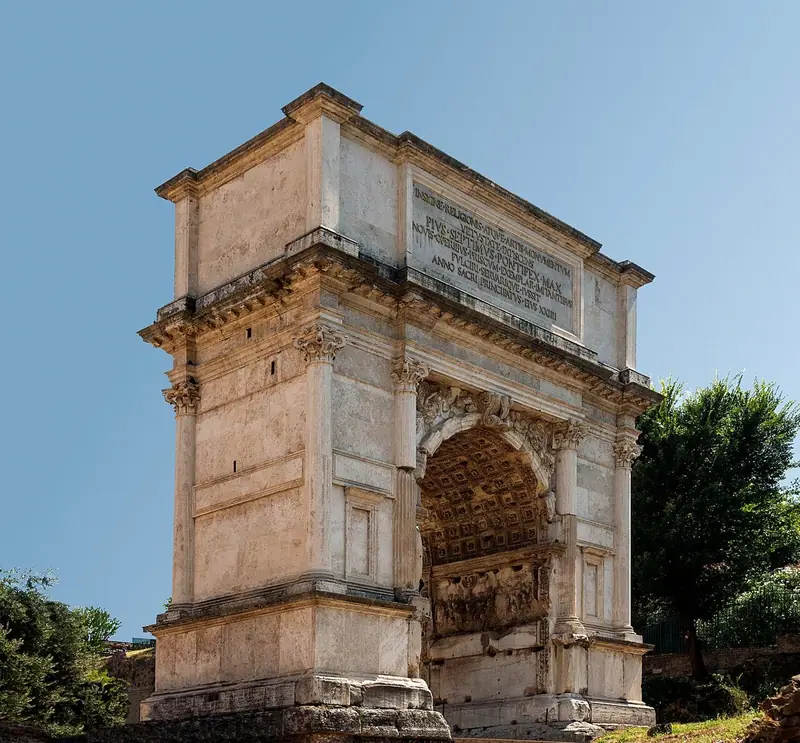
Roman8 stops · 7th century BCE – 4th century CEFrom the Arch of Titus past the Temple of Vesta to the Curia, then up to the emperors' palaces on the Palatine.
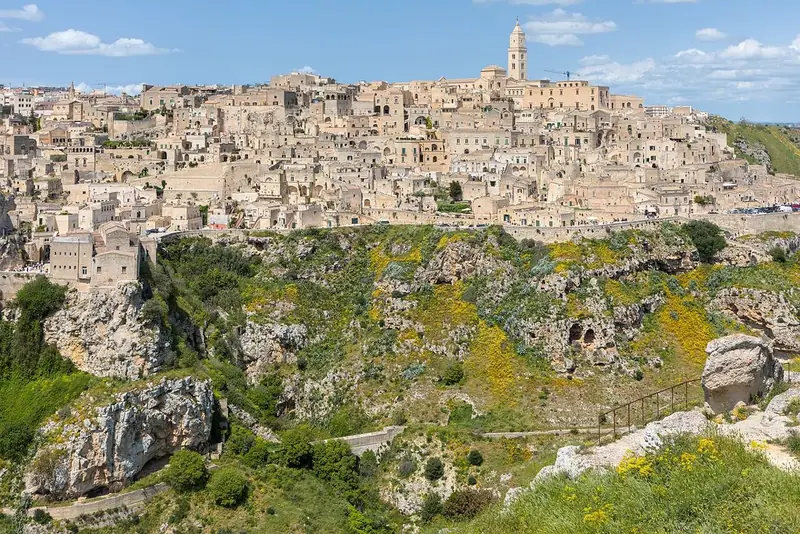
Medieval8 stops · rock churches 8th–13th centuryCave houses and rock-cut churches tumbling down a limestone ravine, in a town lived in since the Stone Age.
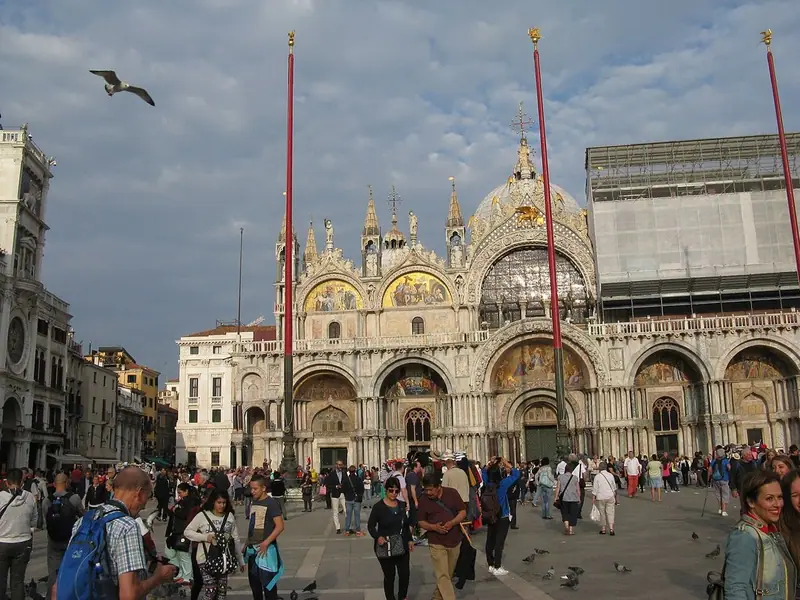
Venetian8 stops · basilica 1063–1094; palace 14th–15th centuryThe golden mosaics of St Mark’s, the bronze horses and the Doge’s Palace with its Giants' Staircase.
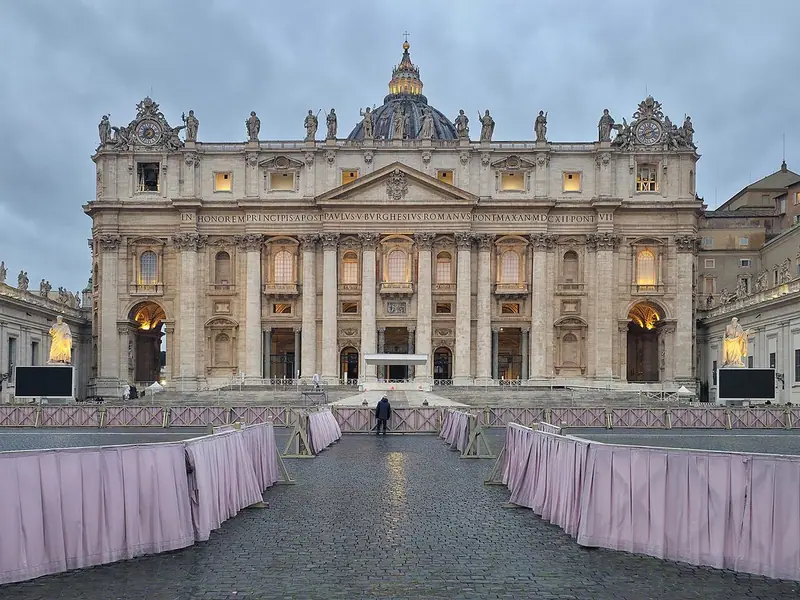
Papal Rome7 stops · Renaissance and BaroqueFrom Bernini’s great square into the largest church in the world, to Michelangelo’s Pietà, the Baldacchino and the dome.
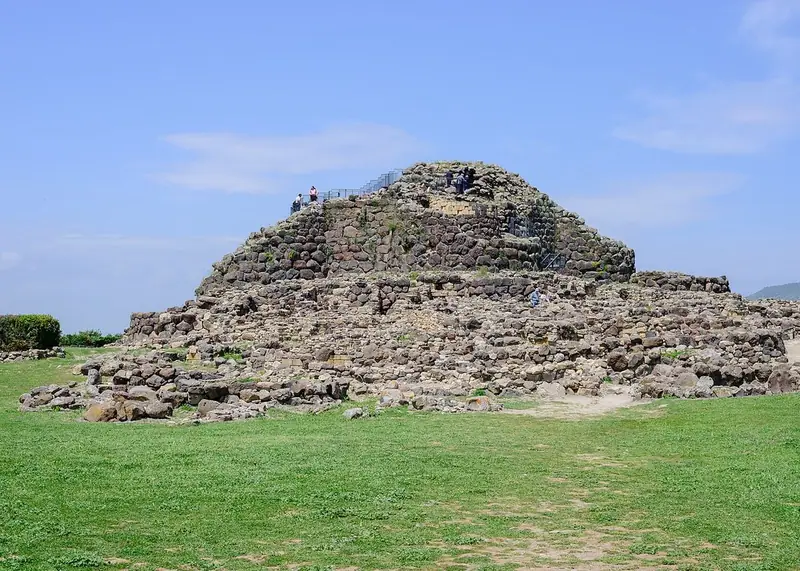
Nuragic8 stops · Bronze Age – 1st century BCESardinia’s finest Nuragic fortress: a village of round stone huts, the outer wall and its towers, the courtyard well and the corbelled dome of the central tower.
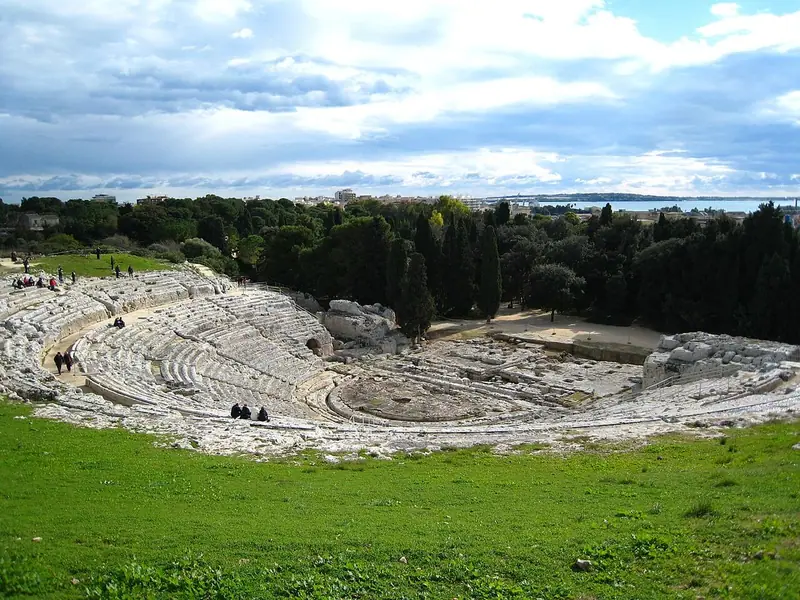
Greek10 stops · 733 BCE – 212 BCE (foundation to Roman conquest)Greek temples on the island of Ortygia, the theatre and quarries of the Neapolis, the fortress of Euryalus and thousands of rock-cut tombs at Pantalica.
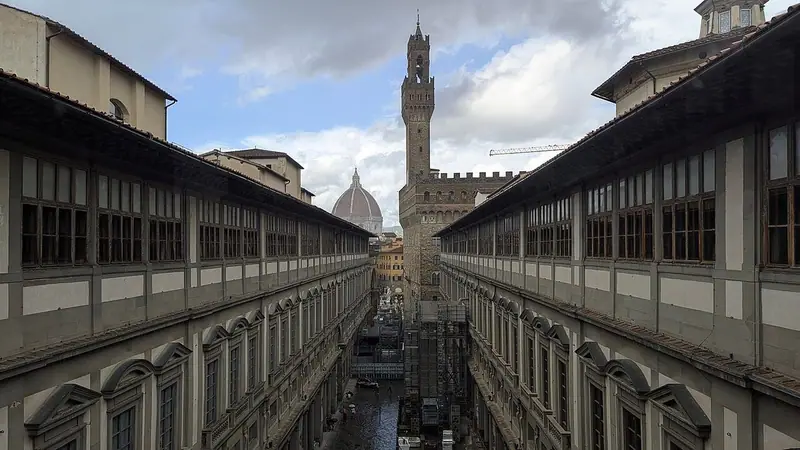
Medici Florence8 stops · Grand Duchy of TuscanyFollow the Medici collection room by room, from Giotto and Botticelli to Leonardo, Michelangelo, Titian and Caravaggio.
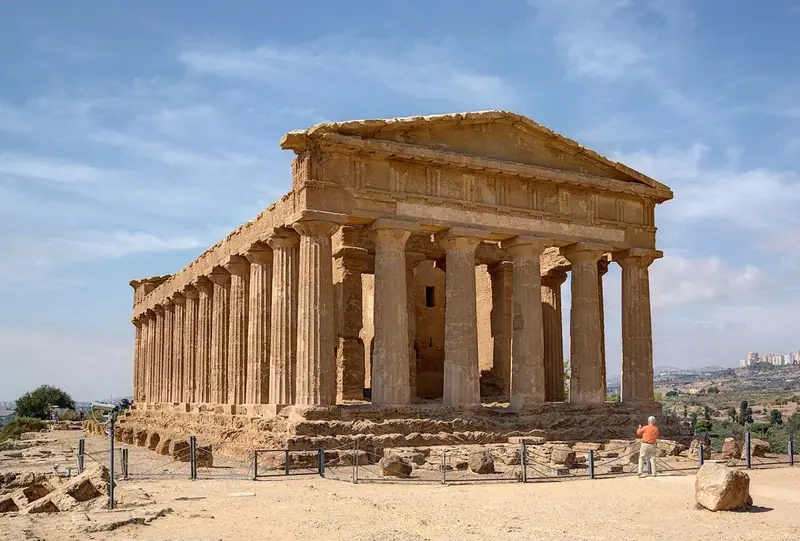
Greek7 stops · c. 510–430 BCEA ridge of Greek temples above the Sicilian coast, from the Temple of Concordia to fallen Olympian Zeus.
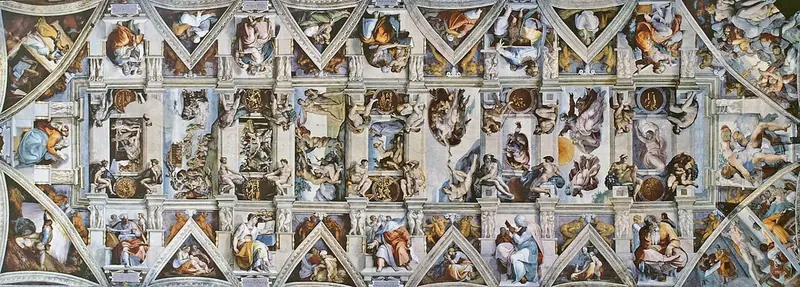
Renaissance8 stops · founded 1506From the Laocoön and the Gallery of Maps to Raphael’s School of Athens and the Sistine Chapel ceiling.
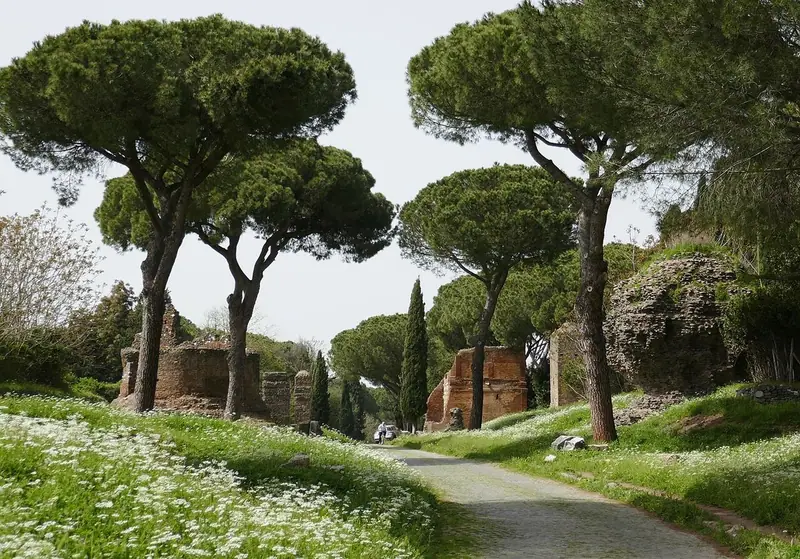
Roman10 stops · 312 BCE – 4th c. CE (road built to Maxentius' villa)The queen of roads leaving Rome: city gate, catacombs, the Circus of Maxentius, the tomb of Caecilia Metella and miles of paving lined with tombs and pines.
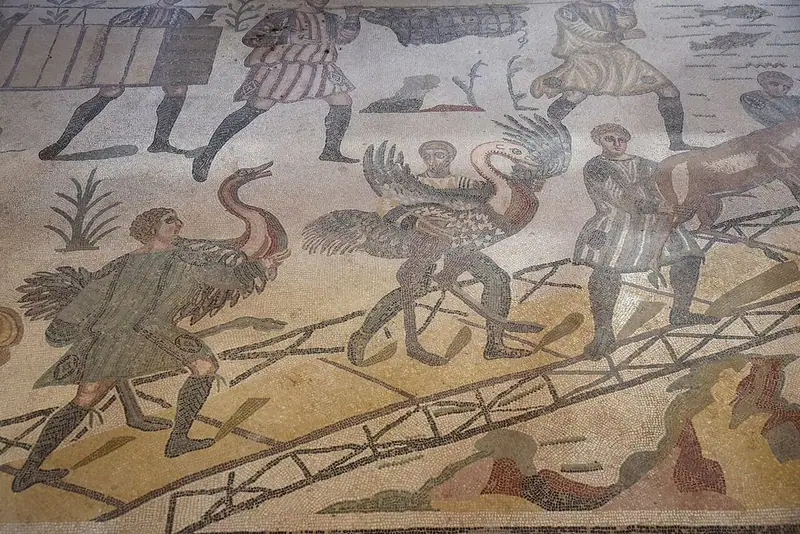
Roman6 stops · early 4th century CERoom after room of Roman mosaics: the Great Hunt, the Ten Maidens, Arion and the giant Polyphemus.
The Historian Guide
We’re putting the finishing touches to secure checkout. If you’d like to hear the moment it opens, email [email protected] and we’ll let you know at launch.
In the meantime, every guide page has a free preview: the first stop, with its audio.
When you buy, you agree to our Terms of Sale and Refund Policy. Because guides are delivered instantly, change-of-mind refunds aren’t available once a guide has been downloaded or accessed.