Before you start
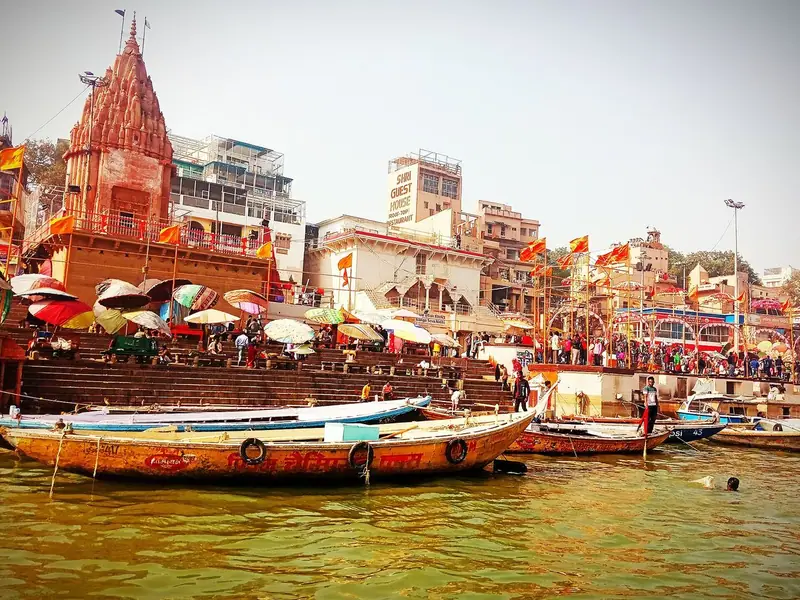
Varanasi, also known as Kashi and Banaras, is one of the oldest continuously inhabited cities in the world and the holiest city of Hinduism. It rises in a long crescent of stone steps, the ghats, on the west bank of the Ganges, where pilgrims come to bathe, to pray and to cremate their dead. This guide follows the river north, from Assi Ghat at the southern end of the city to Dashashwamedh Ghat and the observatory at Man Mandir, inland to the Kashi Vishwanath Temple, then to the burning ghat of Manikarnika and the mosque above Panchganga Ghat. It ends a short drive away at Sarnath, where the Buddha gave his first teaching. The ghats are about three kilometres from end to end, and many visitors see them from a boat at dawn.
Use it as a self-guided tour of Varanasi and Sarnath: 7 stops in visit order, each played when you’re ready, at your own pace.
 Free preview · Stop 1
Assi Ghat
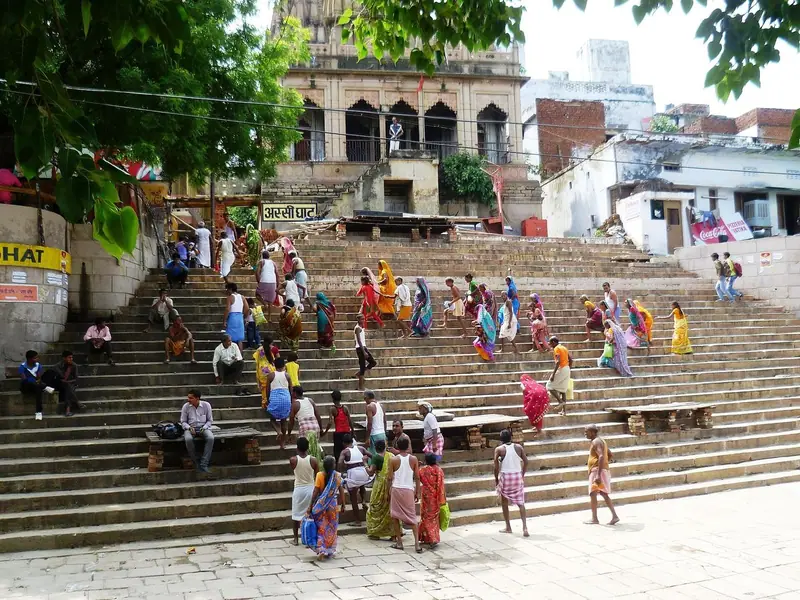
Start at Assi Ghat, the southernmost of the ghats, where the little Assi river once met the Ganges. It marks the traditional southern boundary of the sacred city, and pilgrims used to begin their round of the holy places here. It is one of the largest ghats and one of the liveliest, with students from the nearby Banaras Hindu University, pilgrims and travellers. Hindus believe that the poet Tulsidas, who wrote the Ramcharitmanas, the most popular retelling of the Ramayana in Hindi, died at Assi Ghat in the early seventeenth century, and the next ghat to the north is named after him. Every morning before sunrise there is a programme of chanting, music and yoga called Subah-e-Banaras, the morning of Banaras. From here you can follow the river north along the steps, or take a boat, past palaces built by princes from all over India.
Photo: Radosław Botev · CC BY 3.0 pl · Wikimedia Commons
What to see at Varanasi and Sarnath: 7 stops, in visit order
- 01
 Assi GhatWhere the city beginsFree preview
- 02
 Dashashwamedh GhatThe evening ceremonyIn the guide
- 03
 Man MandirA palace with an observatoryIn the guide
- 04
 Kashi VishwanathThe Golden TempleIn the guide
- 05
 ManikarnikaThe burning ghatIn the guide
- 06
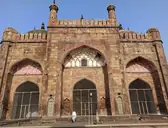 Panchganga and the Alamgir MosqueFive rivers and a mosqueIn the guide
- 07
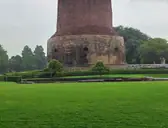 SarnathThe first sermonIn the guide
Site map of Varanasi and Sarnath
History of Varanasi and Sarnath
Varanasi has been a sacred city for well over two thousand years. Hindus know it as Kashi, the city of light, the earthly home of the god Shiva, and believe that those who die here are released from the cycle of rebirth. Nearby, in about the fifth century BCE, the Buddha preached his first sermon at Sarnath, and the Mauryan emperor Ashoka later raised a great pillar there. The city’s temples were destroyed more than once, by the Ghurid army in 1194 and later by Mughal rulers, and they were rebuilt each time. Most of the ghats and the palaces above them were built from the eighteenth century, when the Marathas and other Hindu princes from all over India paid for stone steps, temples and riverside mansions as acts of piety. In 1194 the great Buddhist monastery at Sarnath was also destroyed, and its ruins were forgotten until British antiquarians dug them up in the nineteenth century.
The full history continues in the guide.
Varanasi and Sarnath guide: questions
How many stops does the Varanasi and Sarnath guide have?
7 stops, in visit order: 1. Assi Ghat; 2. Dashashwamedh Ghat; 3. Man Mandir; 4. Kashi Vishwanath; 5. Manikarnika; 6. Panchganga and the Alamgir Mosque; 7. Sarnath.
Can I do a self-guided tour of Varanasi and Sarnath with this guide?
Yes. The guide is made for a self-guided tour: 7 stops in visit order, each with a photo, a story and a voice, so you can explore Varanasi and Sarnath at your own pace, without joining a group. Download it before you go and it works offline.
How long is each guide?
The 7 stops add up to about 6 minutes of listening in total. You play each stop when you’re ready, so you can go at your own pace.
Does the guide work offline?
Yes, once it’s downloaded. The guide is a single self-contained web page (about 7.5 MB) with the photos, text and audio built in. Download it to your phone before you go (Wi-Fi is best); after that it opens in any modern browser on iPhone or Android, with no app, account or mobile signal needed.
Does it use GPS or need my location?
No. The guide doesn’t use GPS and doesn’t know where you are: you play each stop when you reach it. It works on iPhone and Android in any modern browser, and it’s in English.
What’s included?
One self-contained HTML guide: 7 stops in visit order, each with a photo, text and a voice, plus the story of who built the site.
Who built Varanasi and Sarnath?
Varanasi has been a sacred city for well over two thousand years. Hindus know it as Kashi, the city of light, the earthly home of the god Shiva, and believe that those who die here are released from the cycle of rebirth.
Is there a free audio guide to Varanasi and Sarnath?
The first stop, Assi Ghat, is free to read and hear on this page, so you can try the Varanasi and Sarnath audio tour before you buy. The full guide, with all 7 stops, is a one-off purchase: download it once and it’s yours to keep, working offline.
Is the Varanasi and Sarnath guide worth it?
If you’d like to know what you’re looking at, yes. For $10 you get 7 stops in visit order, each with a photo, a short history and a voice you play when you’re ready, plus a site map of the stops, and about 6 minutes of listening in all. It’s short on purpose, so you spend your time looking, not listening. It’s yours to keep, works offline and needs no app. The first stop is free on this page, so you can try it before you buy. If you’d like hours of detail, a guided tour will go deeper.
Audio guide or guided tour?
It depends how you like to visit. This guide lets you explore Varanasi and Sarnath at your own pace, at any time, for a one-off price. A guided tour gives you a live expert you can ask questions, but at fixed times and usually for a higher price. Many people use both: a tour for the big picture, and the guide to read beforehand or to revisit the stops in their own time.
Is this the official Varanasi and Sarnath guide?
No. It’s an independent guide by The Historian Guide, not affiliated with or endorsed by the operator of Varanasi and Sarnath. For tickets and opening hours, check the official site operator before you go.
Does the guide include entry tickets or opening hours?
No. The guide is a digital companion only. Admission to Varanasi and Sarnath is separate, so check the official site operator for current tickets and opening hours before you go.
- Stop 1 · Assi Ghat: Radosław Botev · CC BY 3.0 pl · Wikimedia Commons · resized
- Stop 2 · Dashashwamedh Ghat (also the cover): Sulagna Halder · CC BY-SA 4.0 · Wikimedia Commons · resized
- Stop 3 · Man Mandir: Fif' from Paris, France · CC BY-SA 2.0 · Wikimedia Commons · resized
- Stop 4 · Kashi Vishwanath: Gannu03 · CC BY-SA 4.0 · Wikimedia Commons · resized
- Stop 5 · Manikarnika: Dennis G. Jarvis · CC BY-SA 2.0 · Wikimedia Commons · resized
- Stop 6 · Panchganga and the Alamgir Mosque: Rajputbhu000 · CC BY-SA 4.0 · Wikimedia Commons · resized
- Stop 7 · Sarnath: Hardy Explorer · CC0 · Wikimedia Commons · resized


All photographs from Wikimedia Commons under the licences shown.
More guides in India
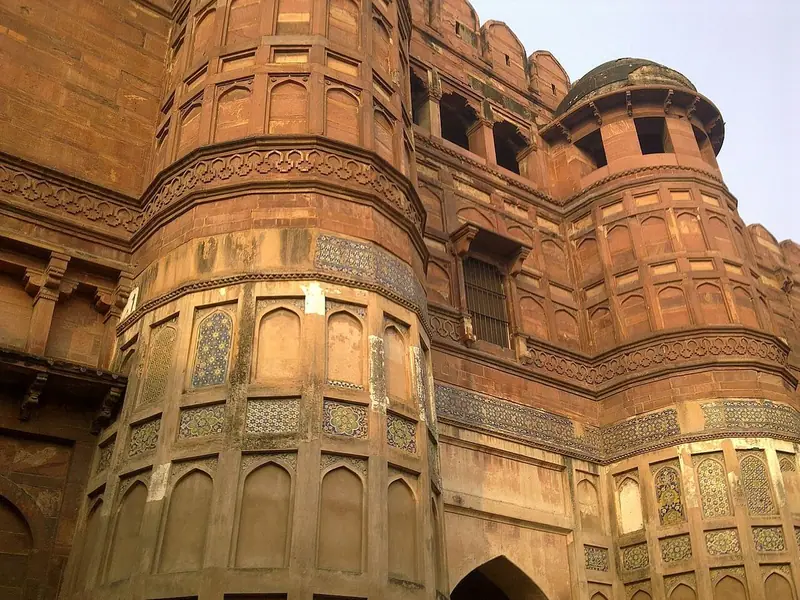 Mughal7 stops · 1565–1640s
Agra Fort audio guide
Red sandstone ramparts and marble palaces, with the Taj Mahal in view from the riverside terraces.
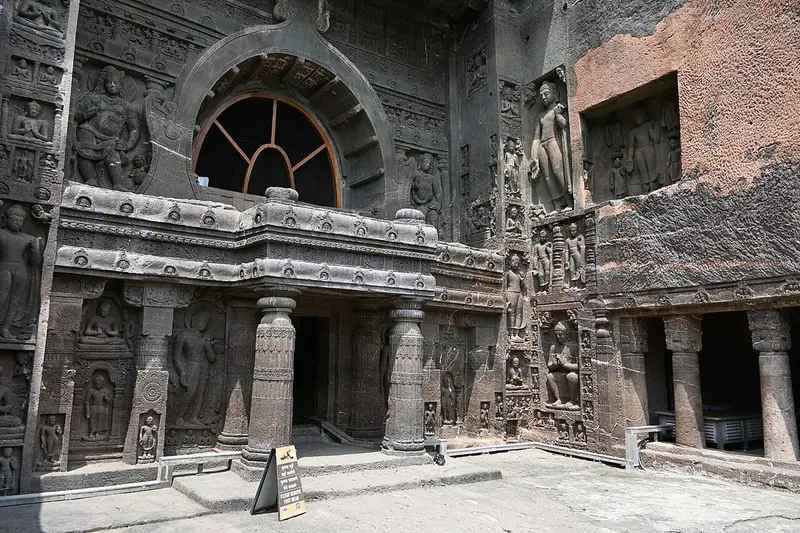 Deccan8 stops · 2nd century BCE – 5th century CE
Ajanta Caves audio guide
Thirty caves cut into a curving cliff above the Waghora river, their prayer halls and monasteries painted and carved by Buddhist monks and their patrons.
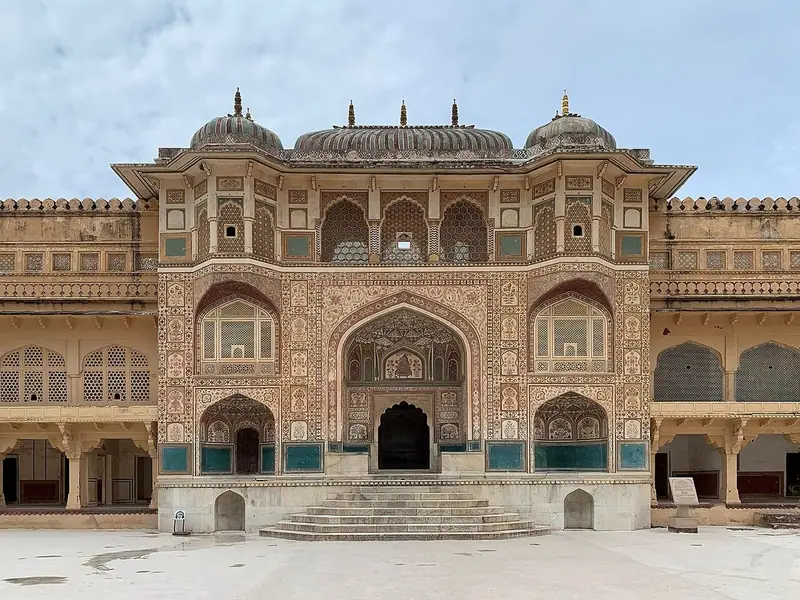 Rajput8 stops · 1592–18th century
Amber Fort audio guide
Up from Maota Lake through the great gates and courtyards to the Sheesh Mahal, palace of the Kachhwaha Rajputs.
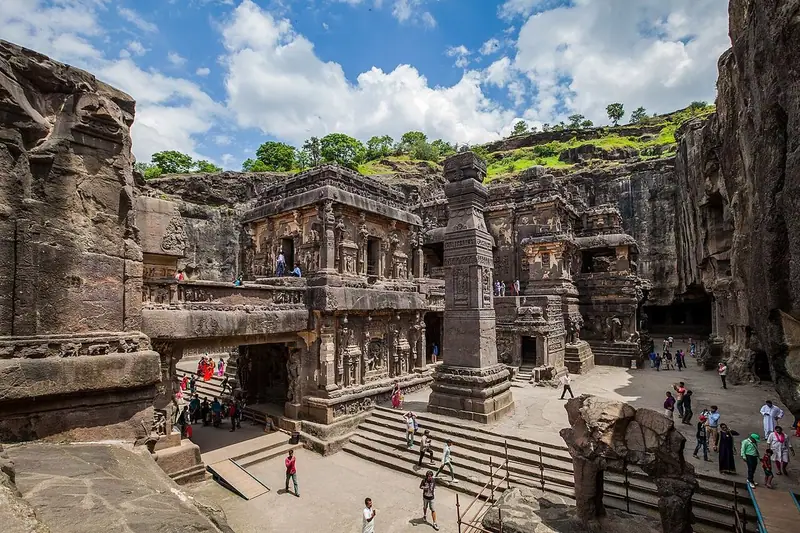 Deccan8 stops · c. 600–1000 CE
Ellora Caves audio guide
Thirty-four Buddhist, Hindu and Jain caves cut into a basalt escarpment, crowned by the Kailasa Temple.
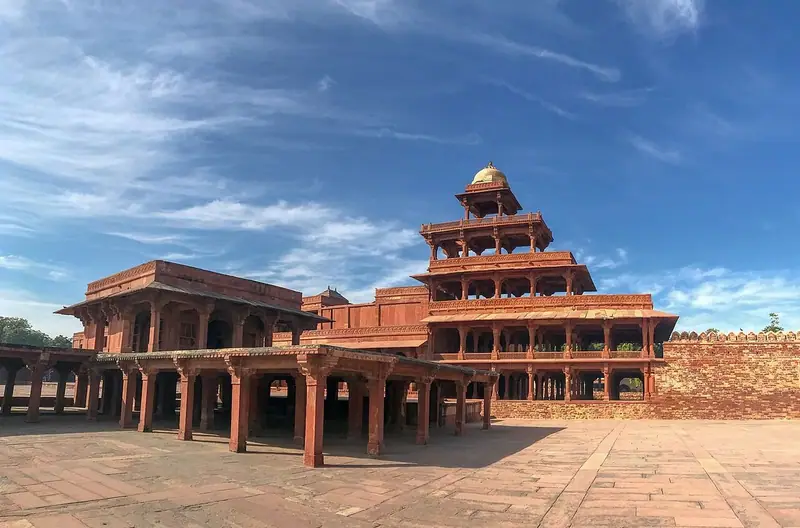 Mughal8 stops · 1571–1585
Fatehpur Sikri audio guide
Akbar’s short-lived red sandstone capital: the Panch Mahal, the Diwan-i-Khas and the tomb of Salim Chishti.
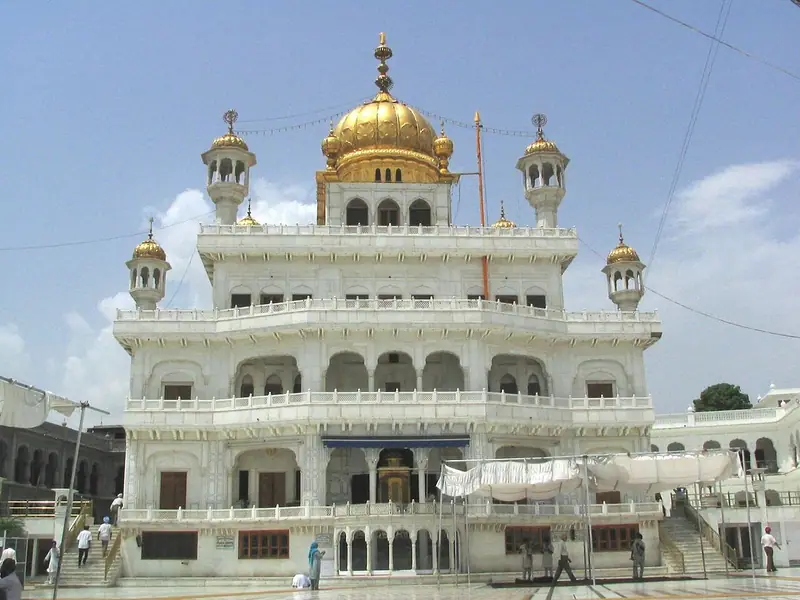 Sikh9 stops · Sikh Gurus and Sikh Empire
The Golden Temple audio guide
Follow the marble path around the sacred pool, cross the causeway to the gilded Harmandir Sahib, and share a meal at the Guru ka Langar.
Every guide, in every country
Varanasi and Sarnath and every other guide we publish, including future ones. One payment, no subscription.