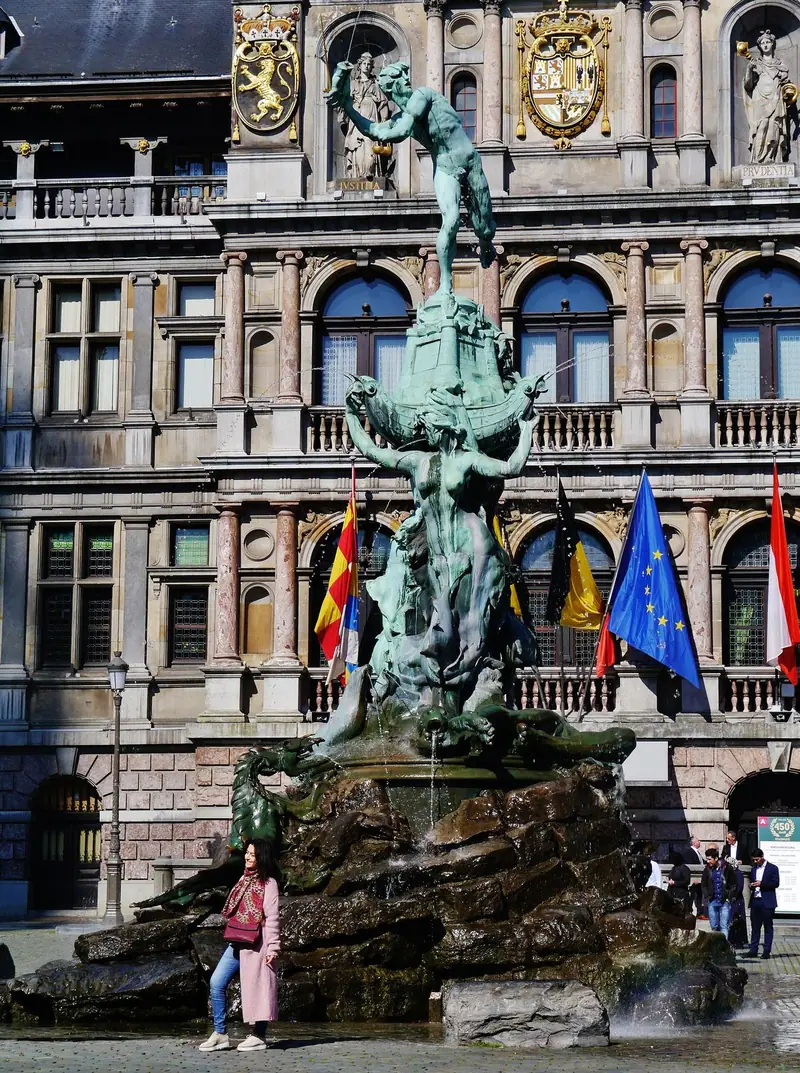
Before you start
In the sixteenth century Antwerp, on the river Scheldt, was the greatest port and trading city of northern Europe, where merchants from across the world bought and sold spices, cloth and silver, and where printers, painters and bankers made their fortunes. It was the home of Peter Paul Rubens, the greatest painter of the Flemish Baroque. This guide begins at the grand railway station, built when Antwerp was booming again in the nineteenth century, and walks west through the city to the house and garden of Rubens, the printing house of the Plantin and Moretus families, the cathedral and the great market square, ending at the medieval fortress of Het Steen on the river. The route is about two and a half kilometres and takes three to four hours with visits.
Use it as a self-guided tour of Antwerp Old City: 6 stops in visit order, each played when you’re ready, at your own pace.
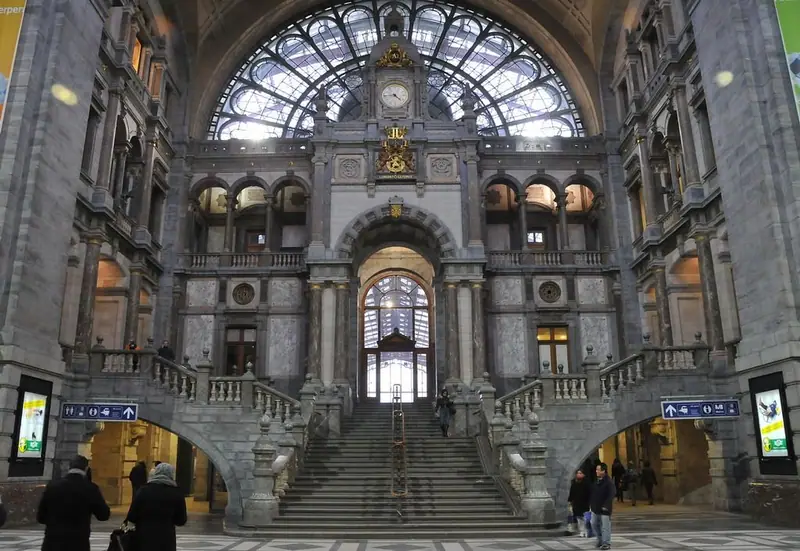 Free preview · Stop 1
Antwerp Central Station
Antwerp’s Central Station was built between 1895 and 1905 to designs by the architect Louis Delacenserie, at a time when the city’s port was booming again and Belgium was among the richest industrial nations in the world. With its stone facade, its towers and the great dome above the waiting hall, it was nicknamed the railway cathedral. Inside, the marble and gilded booking hall leads to the vast iron and glass train shed. Since 2007, tracks running through tunnels beneath the old terminus have turned it into a through station on the high-speed line. The streets beside the station are the centre of the city’s diamond trade, which has been one of Antwerp’s great industries for centuries. From the station, walk west along the Meir, the main shopping street, and turn left into the Wapper to the Rubens House.
Photo: FaceMePLS from The Hague, The Netherlands · CC BY 2.0 · Wikimedia Commons
What to see at Antwerp Old City: 6 stops, in visit order
- 01
 Antwerp Central StationThe railway cathedralFree preview
- 02
 The Rubens HouseThe painter’s palaceIn the guide
- 03
 The Plantin-Moretus MuseumThe printing houseIn the guide
- 04
 The Cathedral of Our LadyThe great Gothic churchIn the guide
- 05
 The Grote MarktThe market squareIn the guide
- 06
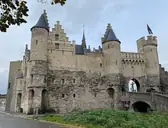 Het SteenThe castle on the riverIn the guide
Site map of Antwerp Old City
History of Antwerp Old City
According to legend, the city takes its name from a giant who cut off the hands of boatmen who would not pay his toll on the Scheldt, until he was killed by a Roman soldier named Brabo, who threw the giant’s own hand into the river. In fact a fortified settlement stood here on the riverbank by the ninth century. In the fifteenth and sixteenth centuries, as the port of Bruges silted up, Antwerp became the commercial capital of Europe. Then came the religious wars of the Dutch Revolt against Spain. In 1566 Protestant crowds stripped the churches of their images, in 1576 mutinous Spanish soldiers sacked the city in the Spanish Fury, and in 1585, after a long siege, Antwerp fell to Spain. Many Protestant merchants and craftsmen left for Amsterdam, and the Dutch closed the Scheldt to shipping, so the city declined.
The full history continues in the guide.
Antwerp Old City guide: questions
How many stops does the Antwerp Old City guide have?
6 stops, in visit order: 1. Antwerp Central Station; 2. The Rubens House; 3. The Plantin-Moretus Museum; 4. The Cathedral of Our Lady; 5. The Grote Markt; 6. Het Steen.
Can I do a self-guided tour of Antwerp Old City with this guide?
Yes. The guide is made for a self-guided tour: 6 stops in visit order, each with a photo, a story and a voice, so you can explore Antwerp Old City at your own pace, without joining a group. Download it before you go and it works offline.
How long is each guide?
The 6 stops add up to about 5 minutes of listening in total. You play each stop when you’re ready, so you can go at your own pace.
Does the guide work offline?
Yes, once it’s downloaded. The guide is a single self-contained web page (about 7.0 MB) with the photos, text and audio built in. Download it to your phone before you go (Wi-Fi is best); after that it opens in any modern browser on iPhone or Android, with no app, account or mobile signal needed.
Does it use GPS or need my location?
No. The guide doesn’t use GPS and doesn’t know where you are: you play each stop when you reach it. It works on iPhone and Android in any modern browser, and it’s in English.
What’s included?
One self-contained HTML guide: 6 stops in visit order, each with a photo, text and a voice, plus the story of who built the site.
Who built Antwerp Old City?
According to legend, the city takes its name from a giant who cut off the hands of boatmen who would not pay his toll on the Scheldt, until he was killed by a Roman soldier named Brabo, who threw the giant’s own hand into the river. In fact a fortified settlement stood here on the riverbank by the ninth century.
Where is Antwerp Old City?
In the sixteenth century Antwerp, on the river Scheldt, was the greatest port and trading city of northern Europe, where merchants from across the world bought and sold spices, cloth and silver, and where printers, painters and bankers made their fortunes.
Is there a free audio guide to Antwerp Old City?
The first stop, Antwerp Central Station, is free to read and hear on this page, so you can try the Antwerp Old City audio tour before you buy. The full guide, with all 6 stops, is a one-off purchase: download it once and it’s yours to keep, working offline.
Is the Antwerp Old City guide worth it?
If you’d like to know what you’re looking at, yes. For $10 you get 6 stops in visit order, each with a photo, a short history and a voice you play when you’re ready, plus a site map of the stops, and about 5 minutes of listening in all. It’s short on purpose, so you spend your time looking, not listening. It’s yours to keep, works offline and needs no app. The first stop is free on this page, so you can try it before you buy. If you’d like hours of detail, a guided tour will go deeper.
Audio guide or guided tour?
It depends how you like to visit. This guide lets you explore Antwerp Old City at your own pace, at any time, for a one-off price. A guided tour gives you a live expert you can ask questions, but at fixed times and usually for a higher price. Many people use both: a tour for the big picture, and the guide to read beforehand or to revisit the stops in their own time.
Is this the official Antwerp Old City guide?
No. It’s an independent guide by The Historian Guide, not affiliated with or endorsed by the operator of Antwerp Old City. For tickets and opening hours, check the official site operator before you go.
Does the guide include entry tickets or opening hours?
No. The guide is a digital companion only. Admission to Antwerp Old City is separate, so check the official site operator for current tickets and opening hours before you go.
- Stop 1 · Antwerp Central Station: FaceMePLS from The Hague, The Netherlands · CC BY 2.0 · Wikimedia Commons · resized
- Stop 2 · The Rubens House: JERRYE AND ROY KLOTZ MD · CC BY-SA 3.0 · Wikimedia Commons · resized
- Stop 3 · The Plantin-Moretus Museum: Thomas Quine · CC BY 2.0 · Wikimedia Commons · resized
- Stop 4 · The Cathedral of Our Lady: Sneeuwvlakte · CC BY-SA 4.0 · Wikimedia Commons · resized
- Stop 5 · The Grote Markt (also the cover): Zairon · CC BY-SA 4.0 · Wikimedia Commons · resized
- Stop 6 · Het Steen: -wuppertaler · CC BY 4.0 · Wikimedia Commons · resized


All photographs from Wikimedia Commons under the licences shown.
More guides in Belgium
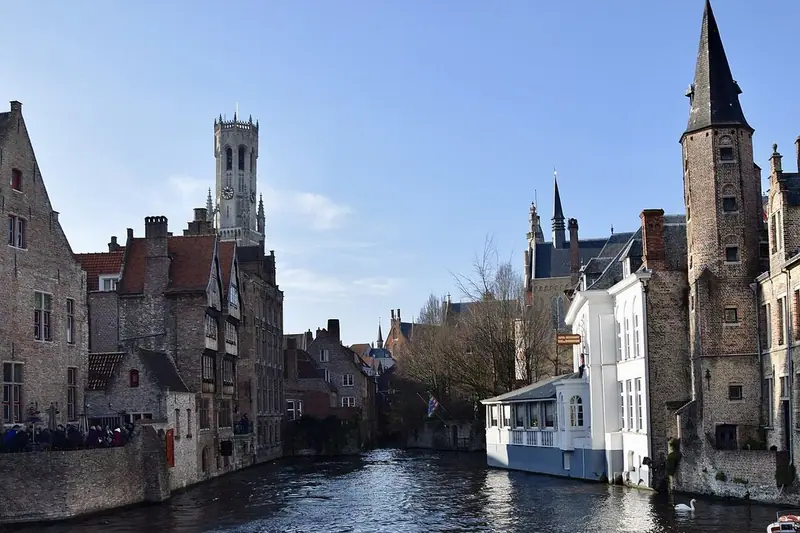 Medieval9 stops · 12th–15th century
Bruges audio guide
A web of canals, cobbled lanes and brick gables, from the Markt and the Belfry to the beguinage by the Minnewater.
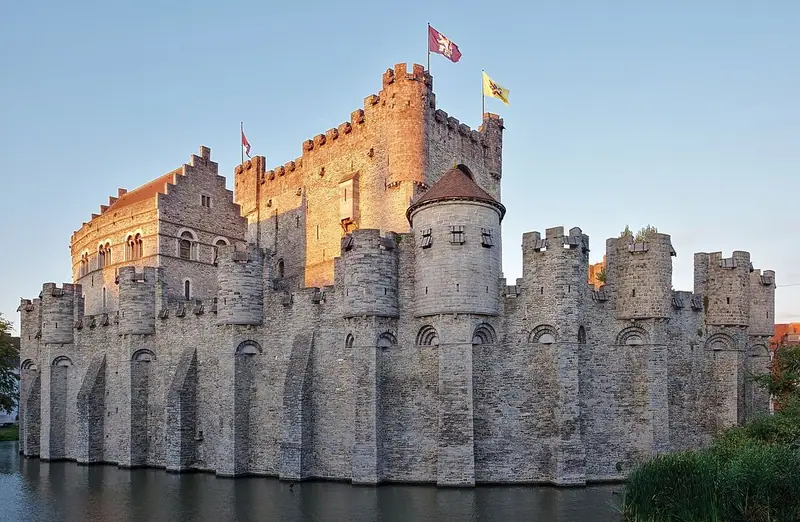 Medieval8 stops · 12th–15th century
Ghent audio guide
Ghent’s medieval heart, from St Bavo’s Cathedral and the Belfry to the Graslei and Korenlei quays and the castle of the Gravensteen.
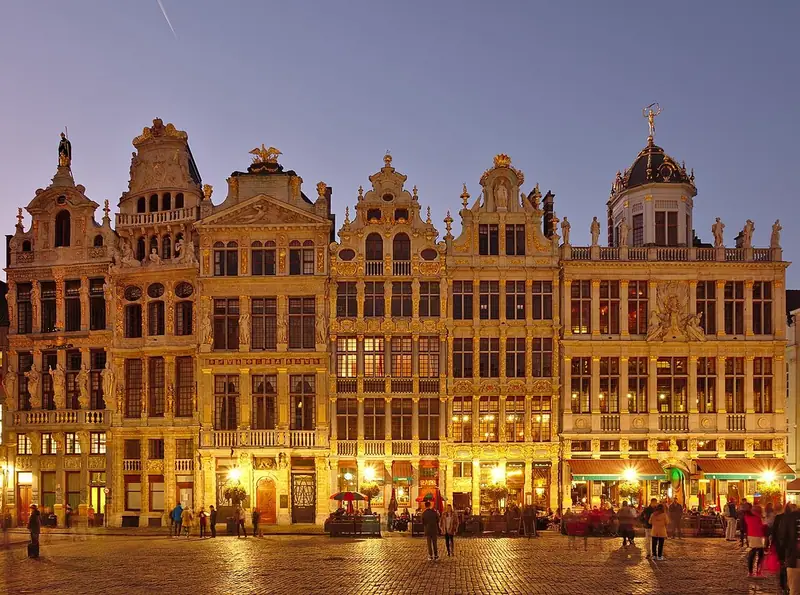 Gothic8 stops · 15th–17th century
Grand-Place, Brussels audio guide
Stand in one of Europe’s most beautiful squares, framed by the Gothic Town Hall and gilded guild houses, then seek out the Manneken Pis.
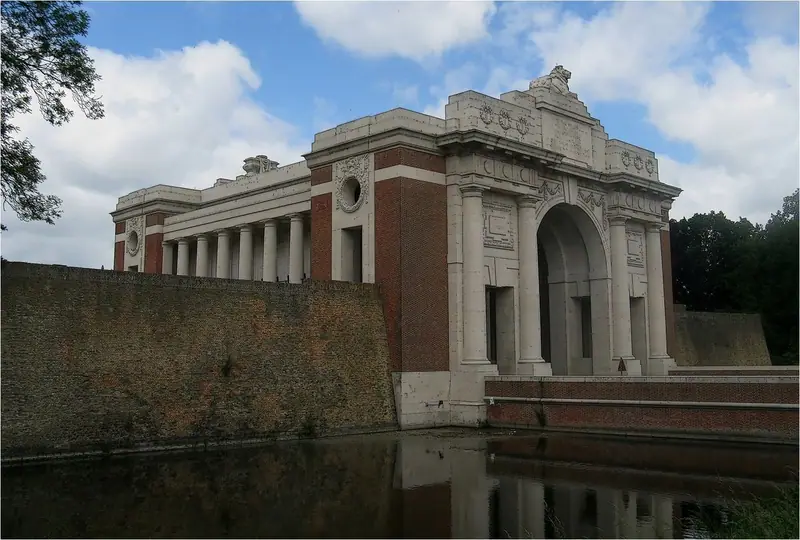 First World War7 stops · 1914–1918
Ypres and Flanders Fields audio guide
From the Menin Gate through the Ypres Salient: Essex Farm, where In Flanders Fields was written, the German cemetery at Langemark, the Brooding Soldier, Tyne Cot, Polygon Wood and Hill 60.
Every guide, in every country
Antwerp Old City and every other guide we publish, including future ones. One payment, no subscription.