Before you start
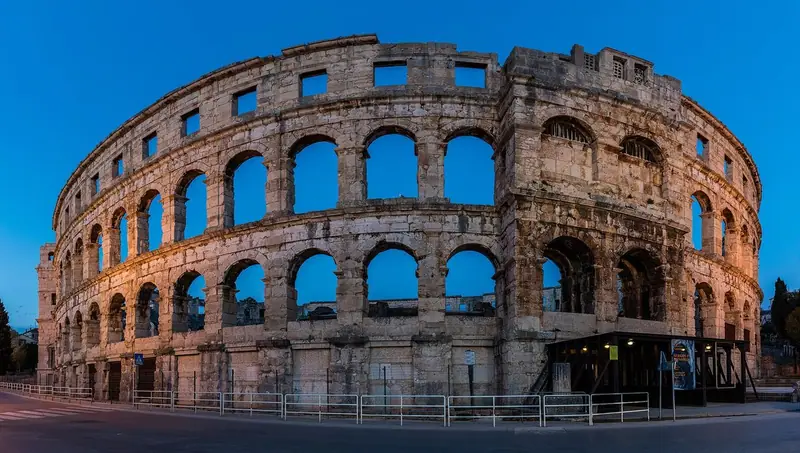
Pula stands at the southern tip of the Istrian peninsula, looking out over a deep harbour that has drawn settlers since before Rome. The Romans founded a colony here, Pietas Iulia, and left an amphitheatre whose outer wall still stands complete, a rarity in the Roman world. This guide begins at that arena and then walks west into the old town, to the Arch of the Sergii, the Forum and the Temple of Augustus, and on to the northern gates, the small Roman theatre and the castle on the hill that was once the Capitol. The route is about a kilometre and a half and takes two to three hours with visits.
Use it as a self-guided tour of Pula: 7 stops in visit order, each played when you’re ready, at your own pace.
 Free preview · Stop 1
The Pula Arena
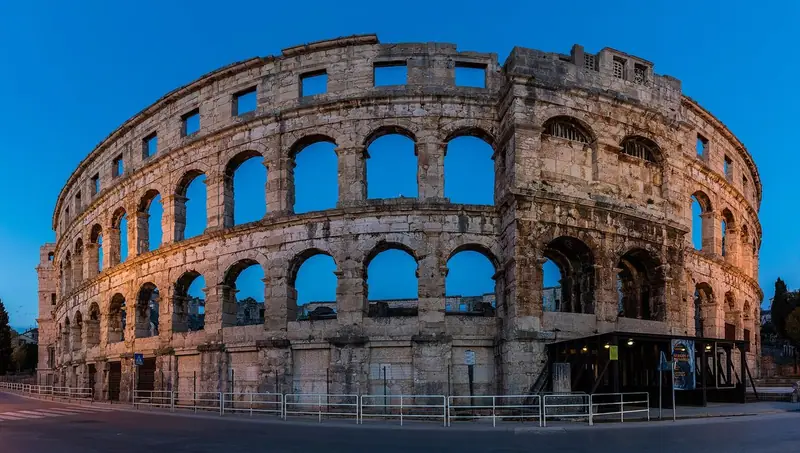
Begin at the amphitheatre, known simply as the Arena, which stands just outside the line of the old city walls, looking towards the harbour. It was built in the first century CE, begun in the time of Augustus and enlarged under the Flavian emperors, and it is the only Roman amphitheatre whose entire outer wall still stands. The ellipse measures about 132 by 105 metres and rises more than thirty metres at its highest point, in local limestone. It could hold some twenty thousand spectators for gladiatorial games and animal hunts. Four side towers held staircases, and a ring of vaulted chambers and underground passages served the performers and the beasts. After the end of the games the building was used as a fortress, a quarry and even a pasture, until restoration in the nineteenth century saved what remained. It is still used for performances, so it may be closed or partly occupied when a concert is being prepared. Walk up Flavijevska Street into the old town, towards the Arch of the Sergii.
Photo: Diego Delso · CC BY-SA 4.0 · Wikimedia Commons
What to see at Pula: 7 stops, in visit order
- 01
 The Pula ArenaThe amphitheatre on the harbourFree preview
- 02
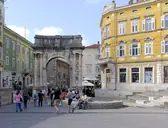 The Arch of the SergiiA family’s triumphal gateIn the guide
- 03
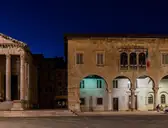 The ForumThe civic heart of Pietas IuliaIn the guide
- 04
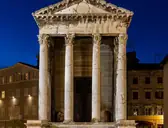 The Temple of AugustusA shrine to the first emperorIn the guide
- 05
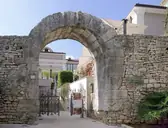 The Gate of Hercules and the Twin GatesThe northern entrancesIn the guide
- 06
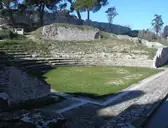 The Small Roman TheatreA cavea on the capitol slopeIn the guide
- 07
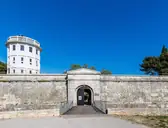 The CastleThe Venetian KaštelIn the guide
Site map of Pula
History of Pula
A settlement stood here long before Rome, but it was the Romans who made Pula a city. In the first century BCE they established the colony of Pietas Iulia, laid out a forum and a circuit of walls, and in the first century CE they built the great amphitheatre on the edge of the town. Temples to Augustus and to Diana stood on the forum, and a theatre was cut into the northern slope of the capitol hill. After the empire, Pula passed to the Ostrogoths, the Byzantines and, for a time, to Venice, which held Istria for centuries and built the castle that still crowns the hill. The city later came under Habsburg rule, and in the nineteenth century it was the principal naval port of the Austrian empire. After the First World War it passed to Italy, and in 1947 to Yugoslavia; it has been part of independent Croatia since 1991.
Pula guide: questions
How many stops does the Pula guide have?
7 stops, in visit order: 1. The Pula Arena; 2. The Arch of the Sergii; 3. The Forum; 4. The Temple of Augustus; 5. The Gate of Hercules and the Twin Gates; 6. The Small Roman Theatre; 7. The Castle.
Can I do a self-guided tour of Pula with this guide?
Yes. The guide is made for a self-guided tour: 7 stops in visit order, each with a photo, a story and a voice, so you can explore Pula at your own pace, without joining a group. Download it before you go and it works offline.
How long is each guide?
The 7 stops add up to about 5 minutes of listening in total. You play each stop when you’re ready, so you can go at your own pace.
Does the guide work offline?
Yes, once it’s downloaded. The guide is a single self-contained web page (about 6.5 MB) with the photos, text and audio built in. Download it to your phone before you go (Wi-Fi is best); after that it opens in any modern browser on iPhone or Android, with no app, account or mobile signal needed.
Does it use GPS or need my location?
No. The guide doesn’t use GPS and doesn’t know where you are: you play each stop when you reach it. It works on iPhone and Android in any modern browser, and it’s in English.
What’s included?
One self-contained HTML guide: 7 stops in visit order, each with a photo, text and a voice, plus the story of who built the site.
Who built Pula?
A settlement stood here long before Rome, but it was the Romans who made Pula a city. In the first century BCE they established the colony of Pietas Iulia, laid out a forum and a circuit of walls, and in the first century CE they built the great amphitheatre on the edge of the town.
Where is Pula?
Pula stands at the southern tip of the Istrian peninsula, looking out over a deep harbour that has drawn settlers since before Rome.
Is there a free audio guide to Pula?
The first stop, The Pula Arena, is free to read and hear on this page, so you can try the Pula audio tour before you buy. The full guide, with all 7 stops, is a one-off purchase: download it once and it’s yours to keep, working offline.
Is the Pula guide worth it?
If you’d like to know what you’re looking at, yes. For $10 you get 7 stops in visit order, each with a photo, a short history and a voice you play when you’re ready, plus a site map of the stops, and about 5 minutes of listening in all. It’s short on purpose, so you spend your time looking, not listening. It’s yours to keep, works offline and needs no app. The first stop is free on this page, so you can try it before you buy. If you’d like hours of detail, a guided tour will go deeper.
Audio guide or guided tour?
It depends how you like to visit. This guide lets you explore Pula at your own pace, at any time, for a one-off price. A guided tour gives you a live expert you can ask questions, but at fixed times and usually for a higher price. Many people use both: a tour for the big picture, and the guide to read beforehand or to revisit the stops in their own time.
Is this the official Pula guide?
No. It’s an independent guide by The Historian Guide, not affiliated with or endorsed by the operator of Pula. For tickets and opening hours, check the official site operator before you go.
Does the guide include entry tickets or opening hours?
No. The guide is a digital companion only. Admission to Pula is separate, so check the official site operator for current tickets and opening hours before you go.
- Stop 1 · The Pula Arena (also the cover): Diego Delso · CC BY-SA 4.0 · Wikimedia Commons · resized
- Stop 2 · The Arch of the Sergii: Berthold Werner · CC BY-SA 3.0 · Wikimedia Commons · resized
- Stop 3 · The Forum: Diego Delso · CC BY-SA 4.0 · Wikimedia Commons · resized
- Stop 4 · The Temple of Augustus: Diego Delso · CC BY-SA 4.0 · Wikimedia Commons · resized
- Stop 5 · The Gate of Hercules and the Twin Gates: Berthold Werner · CC BY-SA 3.0 · Wikimedia Commons · resized
- Stop 6 · The Small Roman Theatre: Orlovic · CC BY-SA 4.0 · Wikimedia Commons · resized
- Stop 7 · The Castle: Diego Delso · CC BY-SA 4.0 · Wikimedia Commons · resized


All photographs from Wikimedia Commons under the licences shown.
More guides in Croatia
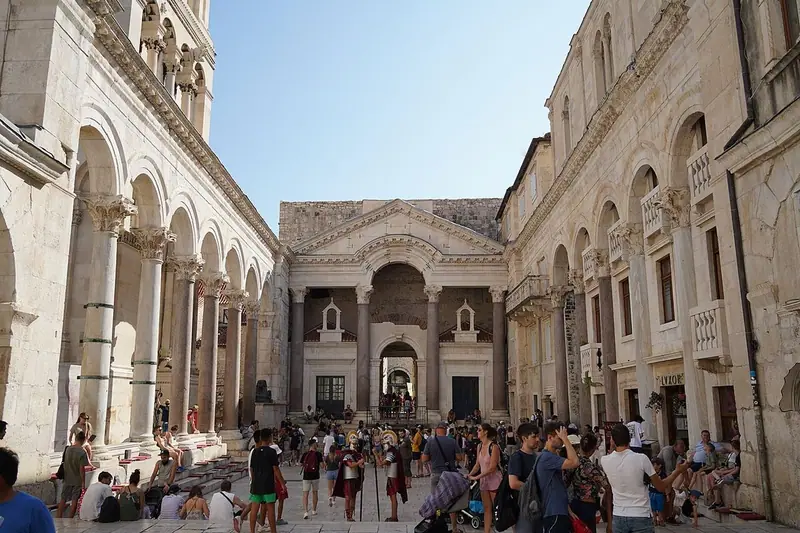 Roman7 stops · c. 295–305 CE
Diocletian’s Palace audio guide
The retirement palace of the emperor Diocletian, whose walls still enclose half of old Split, from the Bronze Gate cellars to the Peristyle.
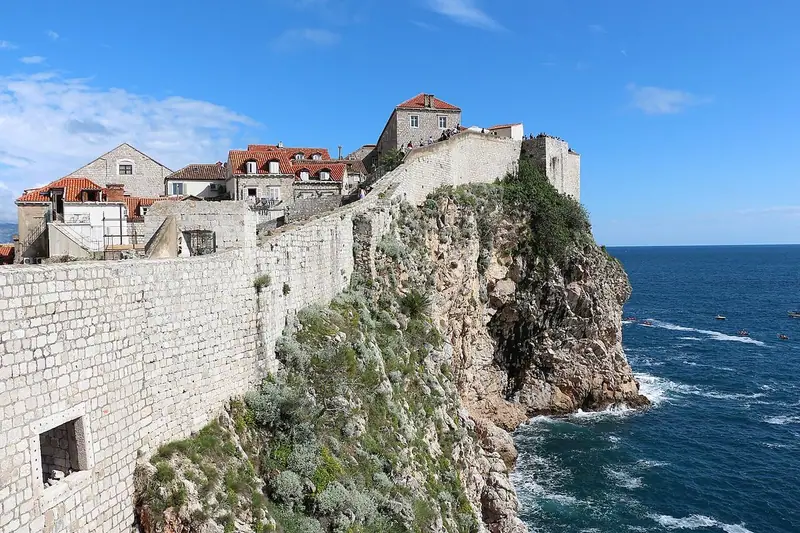 Republic of Ragusa8 stops · 1358–1808 CE
Dubrovnik Old Town audio guide
Enter by the Pile Gate and walk the Stradun of the old merchant republic of Ragusa, then circle its limestone walls above the Adriatic.
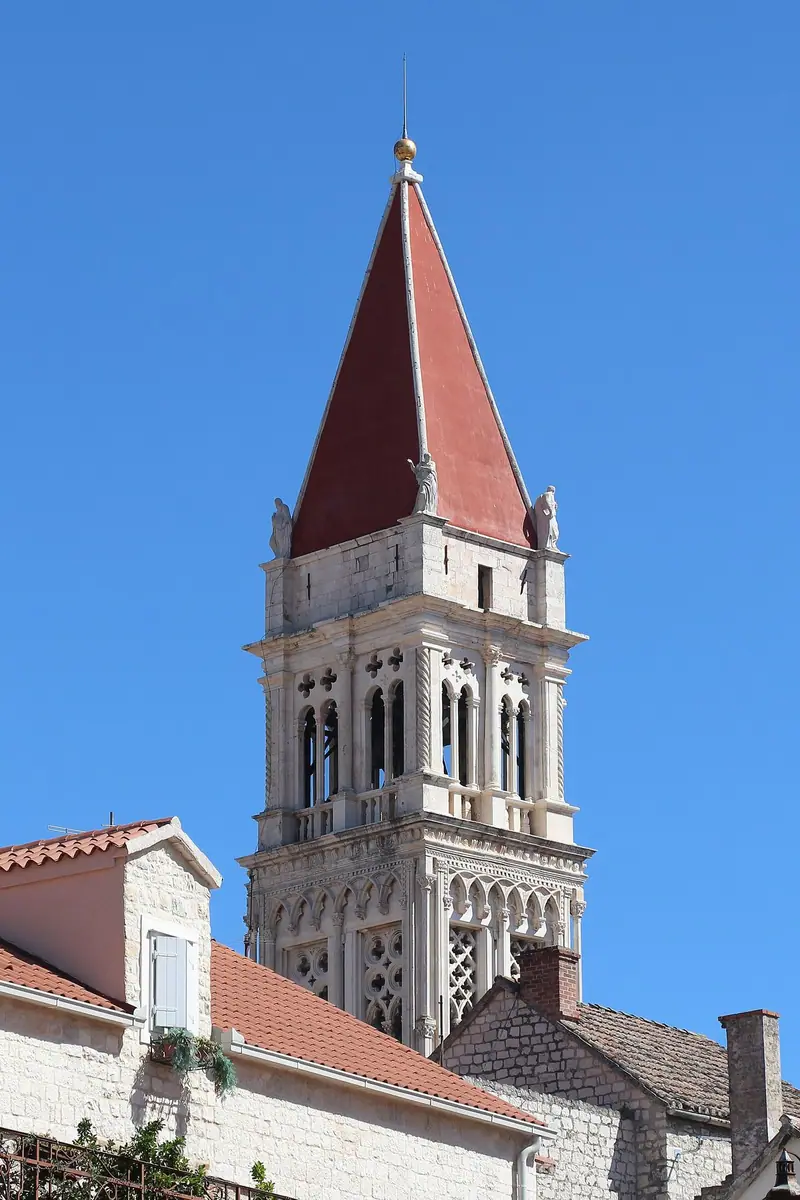 Dalmatian6 stops · 1213–1797
Trogir audio guide
Through the Land Gate into the World Heritage island-town: the Cathedral of St Lawrence and Radovan’s portal, the Čipiko Palace, the Town Loggia, the Kamerlengo Fortress and the Sea Gate on the Riva.
 Roman and Venetian6 stops · 1st century BCE–1543
Zadar audio guide
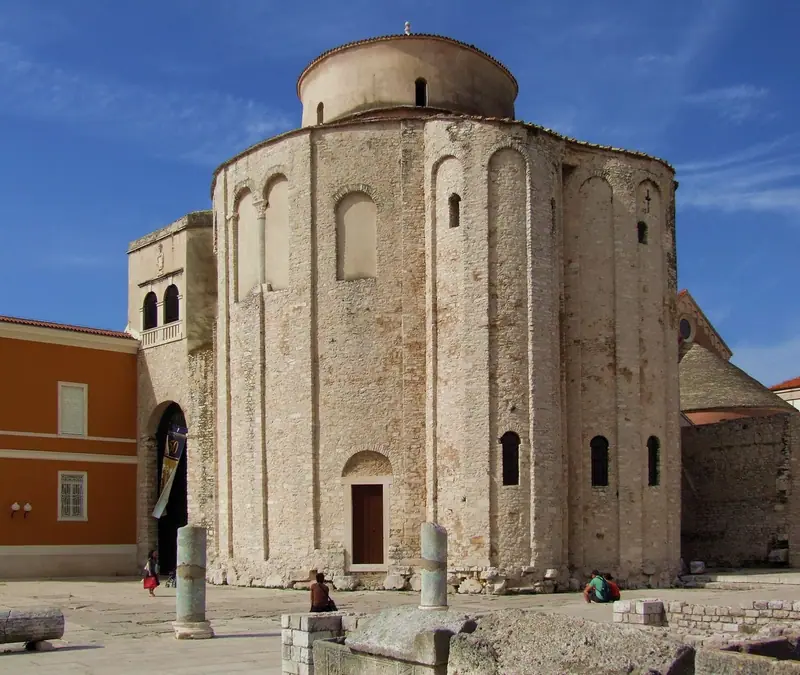
From the Roman Forum and the ninth-century Church of St Donatus to the Cathedral of St Anastasia, then east through People’s Square and Five Wells Square to Michele Sanmicheli’s Land Gate in the Venetian walls.
 Croatian7 stops · 1094–1890
Zagreb Upper Town audio guide
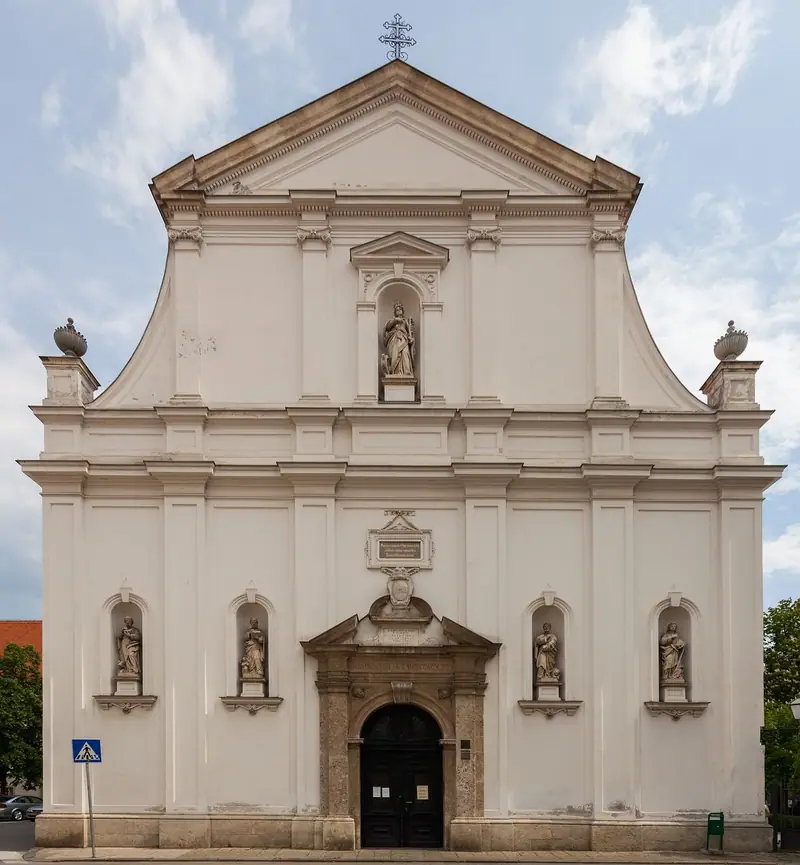
From Zagreb Cathedral on Kaptol, across Dolac Market and through the Stone Gate to St Mark’s, St Catherine’s and the Lotrščak Tower, ending in Ban Jelačić Square below the Upper Town.
Every guide, in every country
Pula and every other guide we publish, including future ones. One payment, no subscription.