Before you start
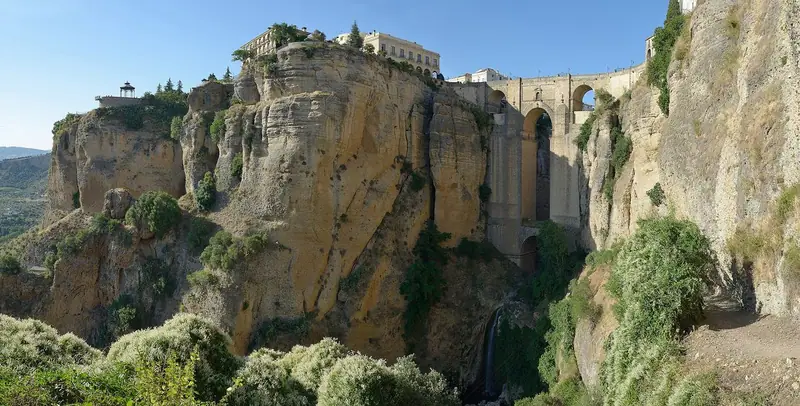
Ronda sits on a high plateau of limestone, split in two by the gorge of the river Guadalevín, El Tajo, a drop of some hundred metres. The old town, La Ciudad, stands on the southern rock, where the Moorish city was; the newer Mercadillo quarter faces it across the void. This guide begins on the Puente Nuevo, the eighteenth-century bridge that joins the two, looks into the gorge from the old water mine, and visits the historic bullring, the palace of Mondragón and the church of Santa María, built on the site of a mosque. It finishes below the walls at the Arab baths and the old bridge. The route is about two kilometres, with a descent to the baths, and takes two to three hours with visits.
Use it as a self-guided tour of Ronda: 6 stops in visit order, each played when you’re ready, at your own pace.
 Free preview · Stop 1
The Puente Nuevo
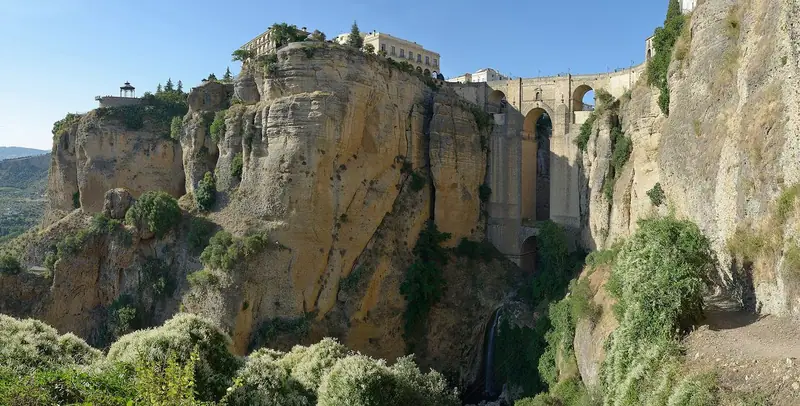
The Puente Nuevo crosses El Tajo at its deepest point, a single daring arch of dressed stone that carries the main street from the Mercadillo into the old town. A first attempt at a high bridge collapsed in 1741, with the loss of many workmen. Construction of the present bridge began in 1751 and was finished in 1793; the architect José Martín de Aldehuela is usually credited with bringing the work to completion. The central arch rises nearly a hundred metres above the river Guadalevín, and a chamber in the central pier, once used as a prison, now serves as a small exhibition on the building of the bridge. The views up and down the gorge are the reason most people come to Ronda, and they are best from the platform on the west side. Cross into the Mercadillo and walk a short way to the Plaza de Toros.
Photo: Wolfgang Moroder · CC BY-SA 3.0 · Wikimedia Commons
What to see at Ronda: 6 stops, in visit order
- 01
 The Puente NuevoThe new bridgeFree preview
- 02
 The Plaza de TorosThe bullring of the Real MaestranzaIn the guide
- 03
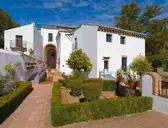 The Mondragón PalaceA Moorish courtyard, a Renaissance palaceIn the guide
- 04
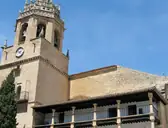 The Church of Santa María la MayorThe mosque made a churchIn the guide
- 05
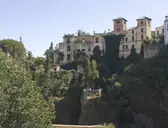 The Casa del Rey Moro and El TajoThe mine in the rockIn the guide
- 06
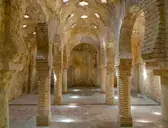 The Arab Baths and the Puente ViejoThe lower townIn the guide
Site map of Ronda
History of Ronda
People have lived on this rock since prehistoric times, and the Romans knew a town here. In the Middle Ages Ronda became a stronghold of al-Andalus, the last major town in the west of the Nasrid kingdom of Granada to fall to the Catholic Monarchs, in 1485. After the conquest a Christian church was raised on the site of the main mosque, and palaces were rebuilt around Moorish courtyards. In the eighteenth century the great gap of El Tajo was finally spanned by the Puente Nuevo, and the town acquired its famous bullring, one of the oldest in Spain and the home of a distinctive, formal school of bullfighting. The gorge, the bridges and the old streets have made Ronda a stopping place for travellers ever since.
Ronda guide: questions
How many stops does the Ronda guide have?
6 stops, in visit order: 1. The Puente Nuevo; 2. The Plaza de Toros; 3. The Mondragón Palace; 4. The Church of Santa María la Mayor; 5. The Casa del Rey Moro and El Tajo; 6. The Arab Baths and the Puente Viejo.
Can I do a self-guided tour of Ronda with this guide?
Yes. The guide is made for a self-guided tour: 6 stops in visit order, each with a photo, a story and a voice, so you can explore Ronda at your own pace, without joining a group. Download it before you go and it works offline.
How long is each guide?
The 6 stops add up to about 4 minutes of listening in total. You play each stop when you’re ready, so you can go at your own pace.
Does the guide work offline?
Yes, once it’s downloaded. The guide is a single self-contained web page (about 5.8 MB) with the photos, text and audio built in. Download it to your phone before you go (Wi-Fi is best); after that it opens in any modern browser on iPhone or Android, with no app, account or mobile signal needed.
Does it use GPS or need my location?
No. The guide doesn’t use GPS and doesn’t know where you are: you play each stop when you reach it. It works on iPhone and Android in any modern browser, and it’s in English.
What’s included?
One self-contained HTML guide: 6 stops in visit order, each with a photo, text and a voice, plus the story of who built the site.
Who built Ronda?
People have lived on this rock since prehistoric times, and the Romans knew a town here. In the Middle Ages Ronda became a stronghold of al-Andalus, the last major town in the west of the Nasrid kingdom of Granada to fall to the Catholic Monarchs, in 1485.
Where is Ronda?
Ronda sits on a high plateau of limestone, split in two by the gorge of the river Guadalevín, El Tajo, a drop of some hundred metres.
Is there a free audio guide to Ronda?
The first stop, The Puente Nuevo, is free to read and hear on this page, so you can try the Ronda audio tour before you buy. The full guide, with all 6 stops, is a one-off purchase: download it once and it’s yours to keep, working offline.
Is the Ronda guide worth it?
If you’d like to know what you’re looking at, yes. For $10 you get 6 stops in visit order, each with a photo, a short history and a voice you play when you’re ready, plus a site map of the stops, and about 4 minutes of listening in all. It’s short on purpose, so you spend your time looking, not listening. It’s yours to keep, works offline and needs no app. The first stop is free on this page, so you can try it before you buy. If you’d like hours of detail, a guided tour will go deeper.
Audio guide or guided tour?
It depends how you like to visit. This guide lets you explore Ronda at your own pace, at any time, for a one-off price. A guided tour gives you a live expert you can ask questions, but at fixed times and usually for a higher price. Many people use both: a tour for the big picture, and the guide to read beforehand or to revisit the stops in their own time.
Is this the official Ronda guide?
No. It’s an independent guide by The Historian Guide, not affiliated with or endorsed by the operator of Ronda. For tickets and opening hours, check the official site operator before you go.
Does the guide include entry tickets or opening hours?
No. The guide is a digital companion only. Admission to Ronda is separate, so check the official site operator for current tickets and opening hours before you go.
- Stop 1 · The Puente Nuevo (also the cover): Wolfgang Moroder · CC BY-SA 3.0 · Wikimedia Commons · resized
- Stop 2 · The Plaza de Toros: José Luis Filpo Cabana · CC BY-SA 4.0 · Wikimedia Commons · resized
- Stop 3 · The Mondragón Palace: Benjamin Smith · CC BY-SA 4.0 · Wikimedia Commons · resized
- Stop 4 · The Church of Santa María la Mayor: Olaf Tausch · CC BY 3.0 · Wikimedia Commons · resized
- Stop 5 · The Casa del Rey Moro and El Tajo: Daniel VILLAFRUELA. · CC BY-SA 4.0 · Wikimedia Commons · resized
- Stop 6 · The Arab Baths and the Puente Viejo: Benjamin Smith · CC BY-SA 4.0 · Wikimedia Commons · resized


All photographs from Wikimedia Commons under the licences shown.
More guides in Spain
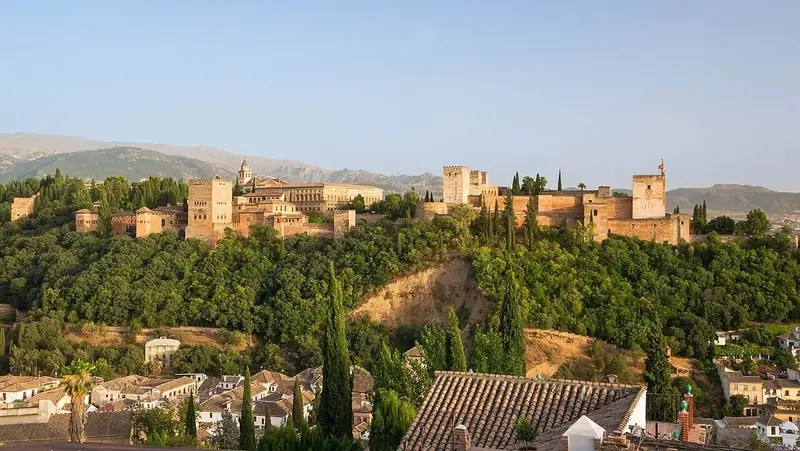 Nasrid9 stops · 13th–15th century CE
Alhambra audio guide
Climb to the Nasrid royal city above Granada, from the Alcazaba through the Court of the Myrtles and the Court of the Lions to the gardens of the Generalife.
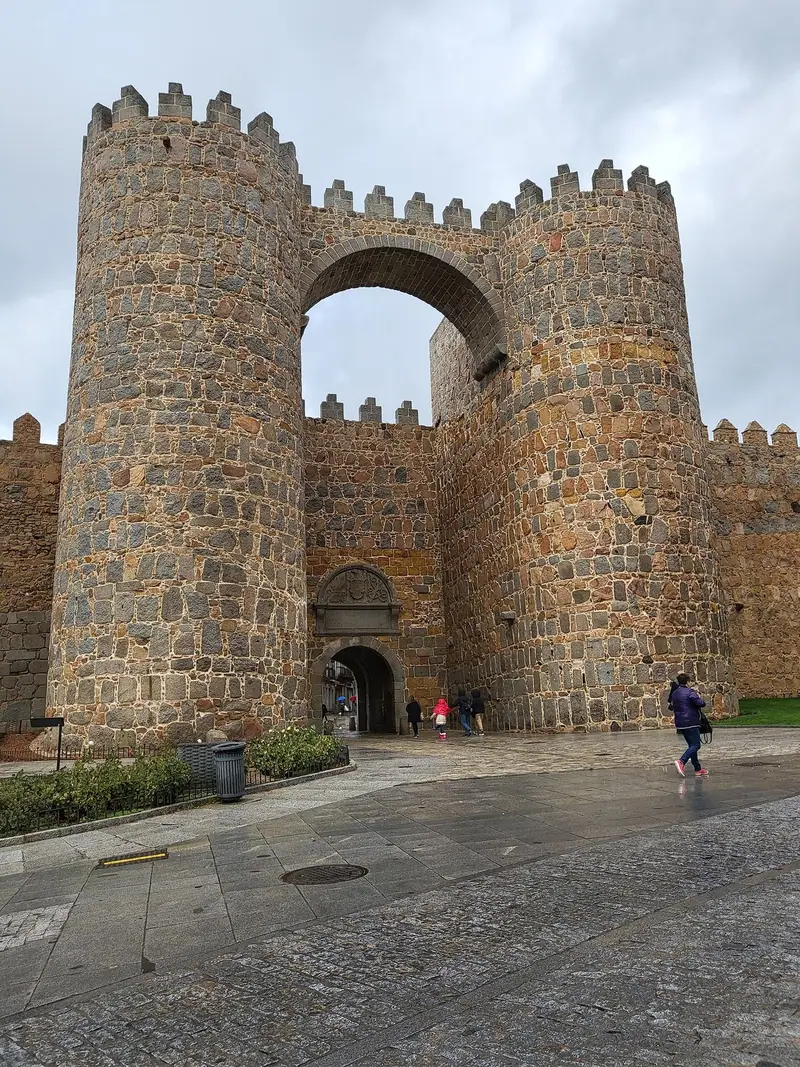 Medieval Castile6 stops · 1090–1622
Ávila audio guide
The complete medieval walls of Ávila, the cathedral built into the curtain, the basilica of San Vicente, the convent of Saint Teresa, and the viewpoint at Los Cuatro Postes.
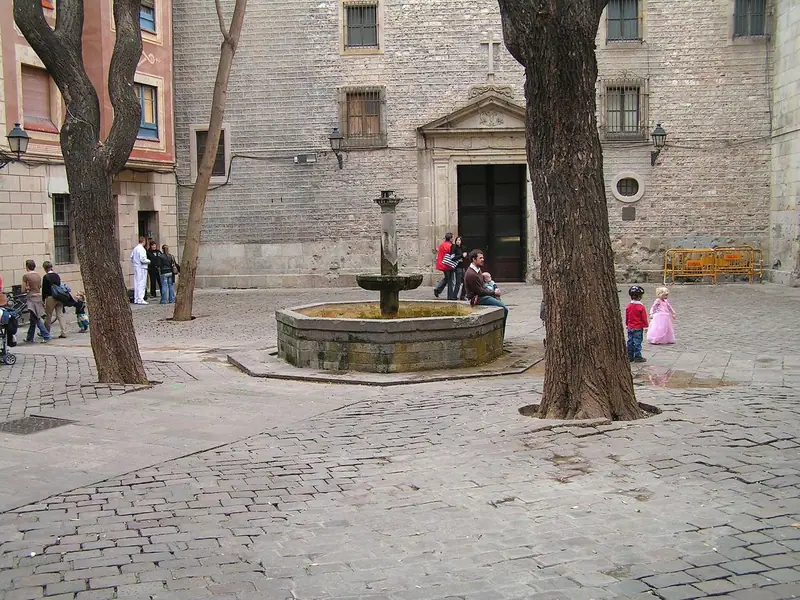 Roman and Medieval Catalonia7 stops · 1st century BCE–1714
Barcelona’s Gothic Quarter audio guide
From the Roman gate in the Plaça Nova past the cathedral, Sant Felip Neri and the Plaça de Sant Jaume to the Temple of Augustus, the royal palace and Santa Maria del Mar.
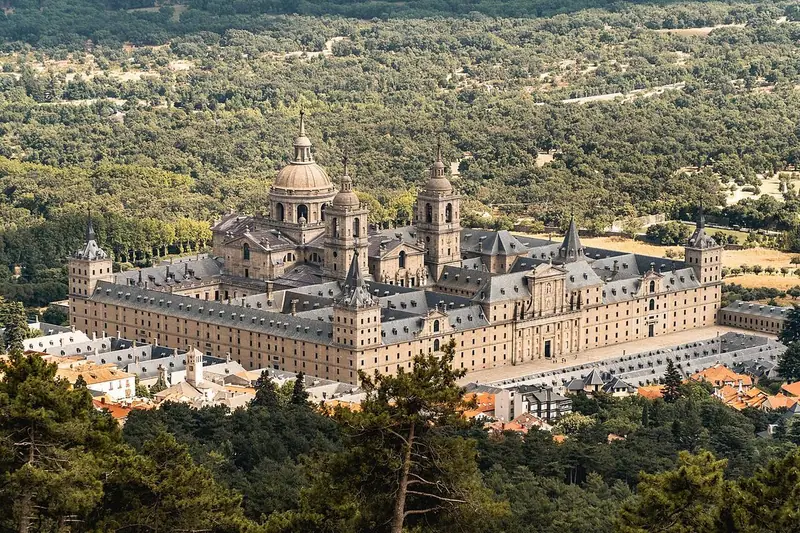 Habsburg7 stops · from 1563 CE
El Escorial audio guide
Explore Philip II’s monastery-palace at the foot of the Guadarrama, from the royal pantheon and the basilica to the painted library.
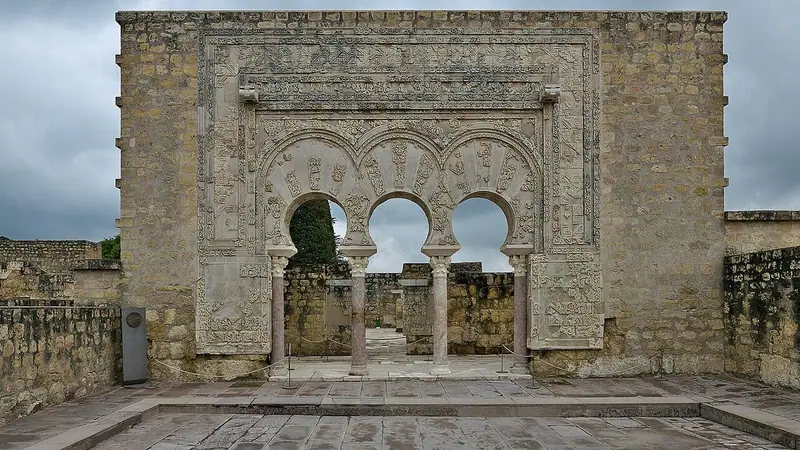 Umayyad9 stops · 936 – 1013 CE
Medina Azahara audio guide
The palace-city of the caliphs of Córdoba on the slopes of the Sierra Morena: the North Gate, the royal house, the House of Ja’far, the great portico, the Salón Rico and the caliph’s mosque.
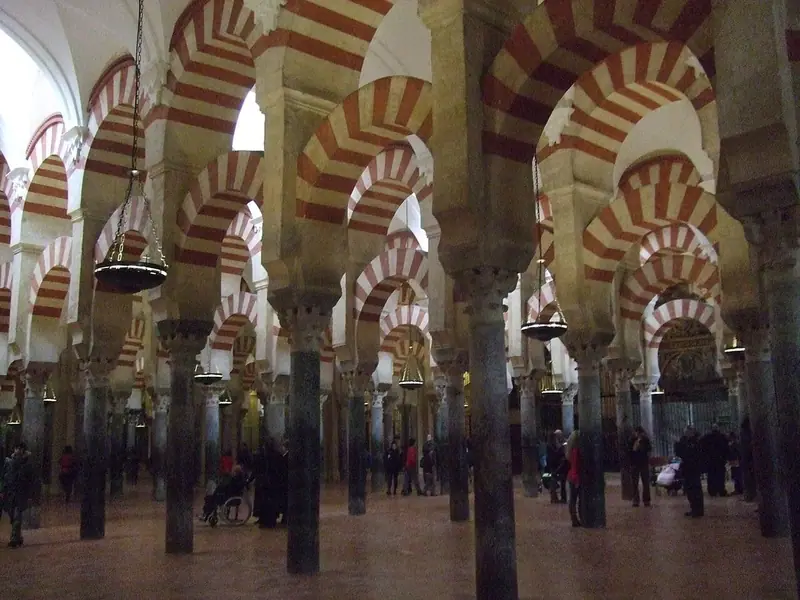 Umayyad8 stops · c. 785–1236 CE
Mosque-Cathedral of Córdoba audio guide
From the Court of the Orange Trees into a forest of columns and arches to the mihrab of the Umayyad mosque that became a cathedral.
Every guide, in every country
Ronda and every other guide we publish, including future ones. One payment, no subscription.